Guild raids were put on pause in July, largely because it’s a common vacation month in Europe. This felt familiar – when I did an internship in Denmark, it seemed like half the country took off for the month.
Previous: WoW Player Diary. Part 8. Secrets of Ulduar
Casuals storm Ulduar
Despite this official break, the joint 25-man runs involving our guild and two others continued. The 25-player Naxxramas runs remained the main “hangout,” and our recurring stumbling block was Thaddius. Previously, we’d wiped because people ran the wrong way during polarity shifts; now, in one particular run, we simply lacked the damage. Everyone stayed alive through both attempts, but we wiped anyway because the boss hit his enrage timer. Since raid time was ending, we decided to wrap it up for the night.
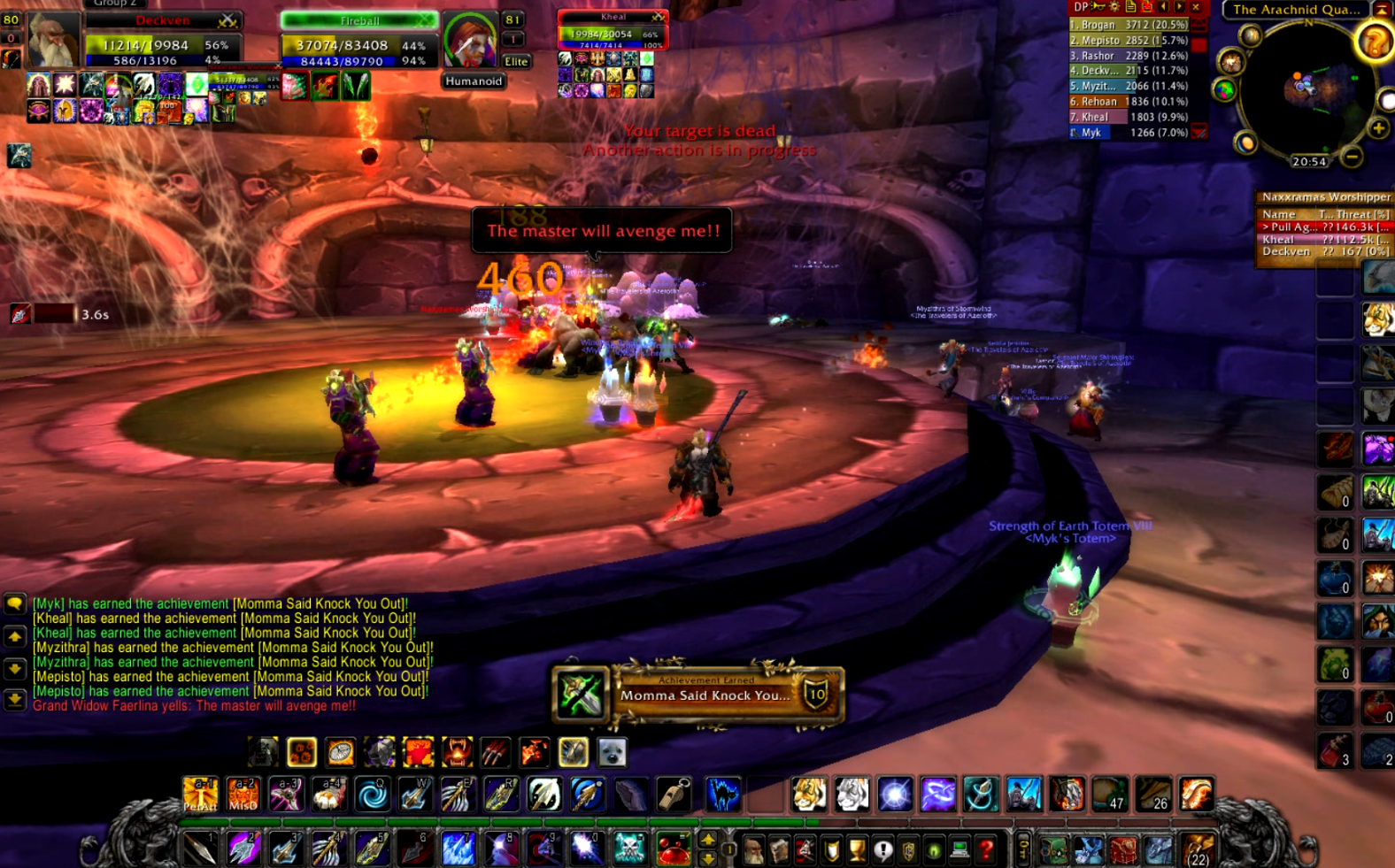
Although we had some success working as a team, that raid was also marked by an unpleasant incident – naturally, revolving around loot.
A month earlier, the guild leadership had introduced a guideline for loot distribution. Basically, you could roll on any item that suited your class, but if you won something, it was considered good etiquette to pass on the next comparable drop. This wasn’t a strict rule, but everyone was encouraged not to be greedy, helping the whole raid get geared faster, which benefited our relatively stable group. The problems started in the Plague Quarter. One of the druids began rolling on almost everything that was even a minor upgrade for him, ignoring the guideline completely. When one of our officers politely reminded him of the etiquette in guild chat, he feigned ignorance, basically saying, “I don’t understand, what’s the problem?” After he ignored the request again while rolling on loot from Patchwerk, the officer issued a stern warning, especially since this involved a contested healer item that others were patiently waiting for. After Grobbulus, the story repeated itself, and the guild chat exploded. The guy was promptly kicked from both the raid and the guild. So yeah, a sad story about loot drama. It certainly answered the question of whether you find difficult or “inadequate” people playing in Europe – yes, you absolutely do.
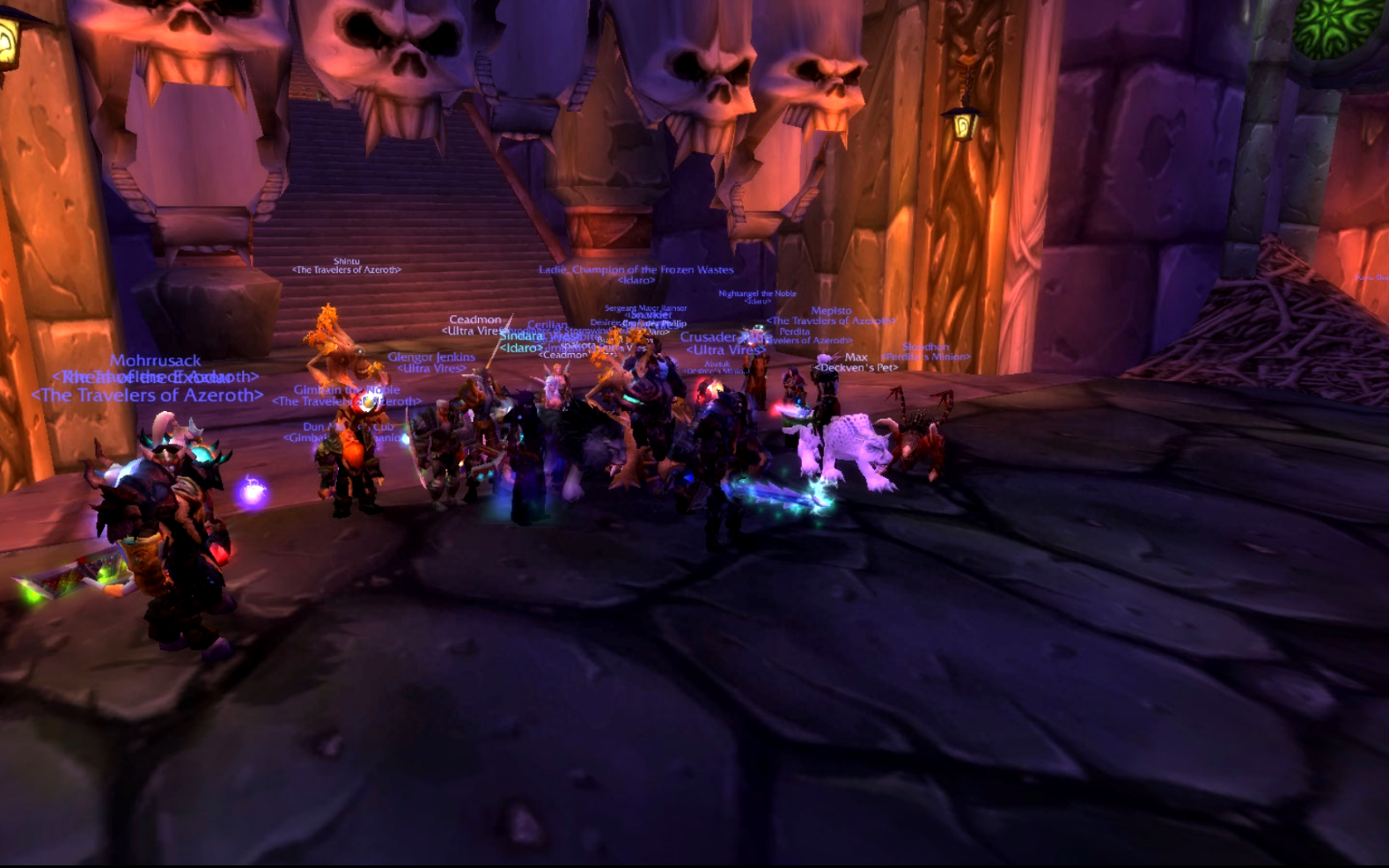
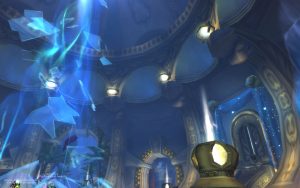
August arrived, and the more active progression raiders were preparing to storm the next raid tier. After the holiday break, towards the end of July, our combined group finally decided to give Ulduar a try.
Our first attempt was successful, netting us victories over Flame Leviathan, XT-002 Deconstructor, and Kologarn. We downed all three on the first try, though Kologarn managed to take out half the raid before falling. Auriaya (the “cat lady”) gave us a much harder time, and after three wipes, the Raid Leader called it for the night.
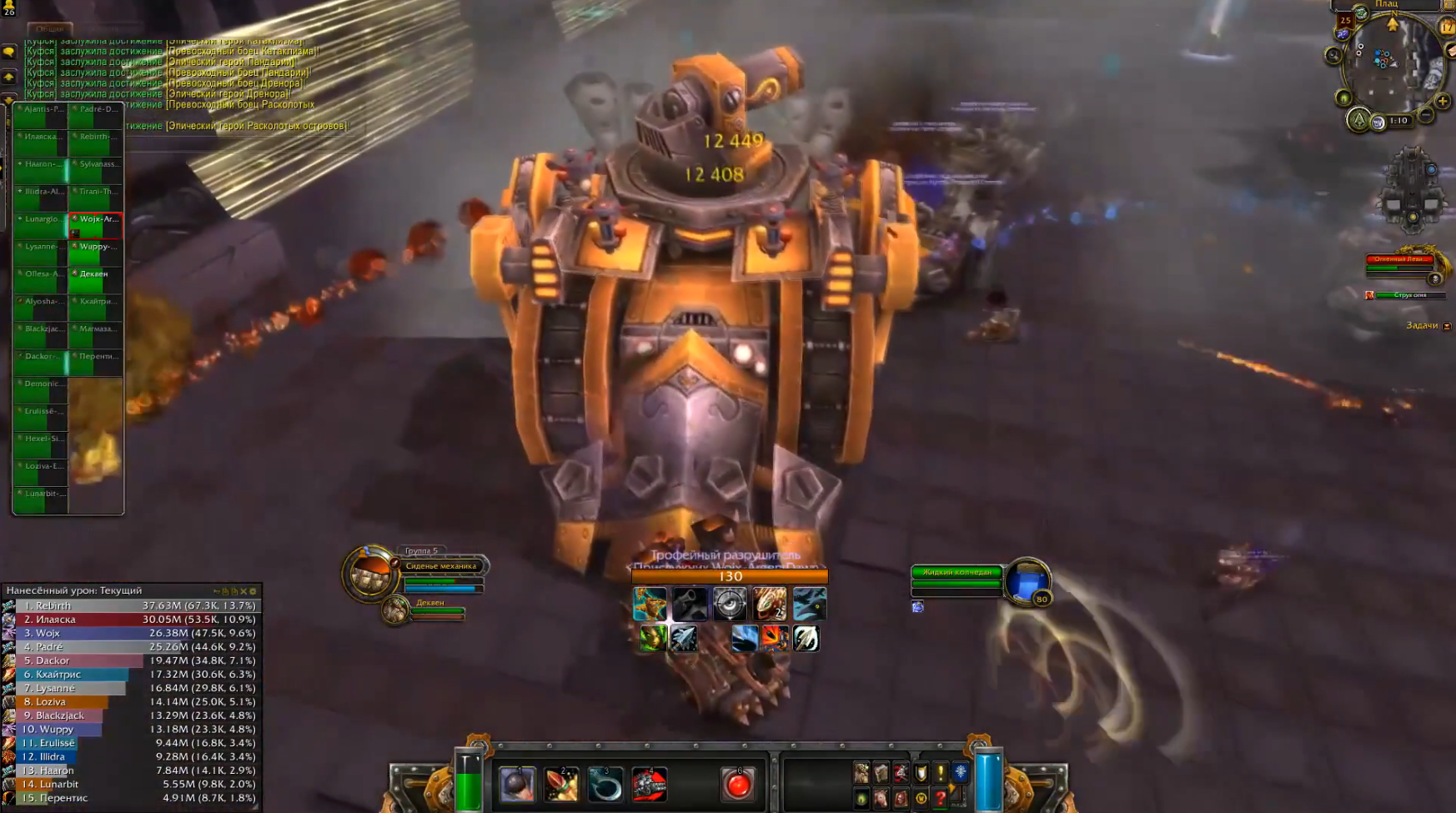
The second evening was also productive. Razorscale didn’t pose significant problems, but the fight against Ignis the Furnace Master was tough – though arguably the most interesting encounter we’d seen so far. After five or six wipes, we managed to get him down to about sixty percent health before raid time ran out.
On our second weekly lockout, we cleared the bosses we’d already mastered fairly quickly. We had to sweat a little on Ignis and Auriaya again, after which we decided to skip the Iron Council and went straight to Hodir.
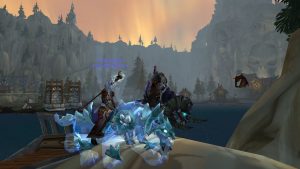
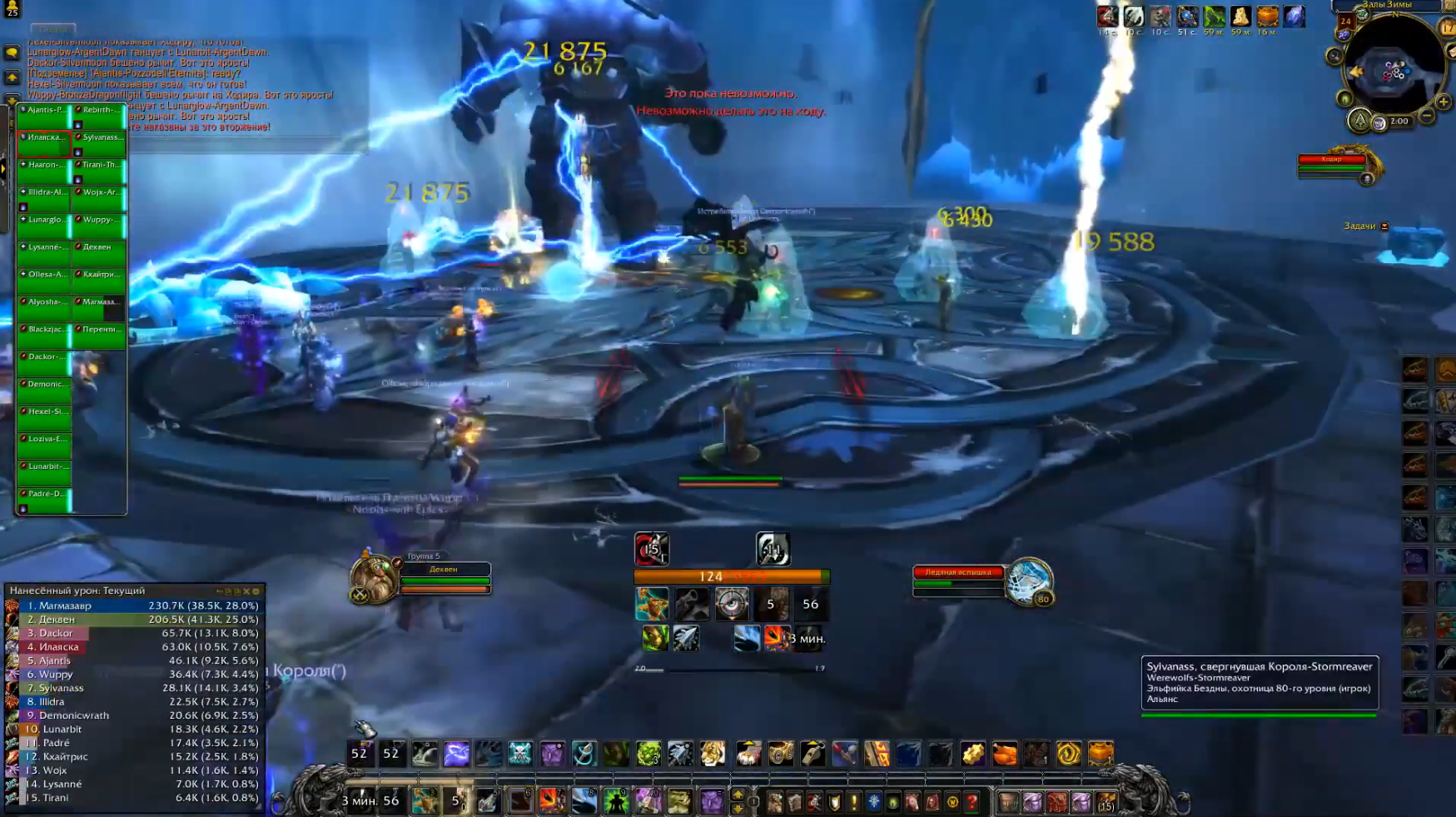
If the bosses in Ulduar’s “anteroom” were comparable in difficulty to the final bosses of the Naxxramas wings, Hodir felt like a boss in a different league entirely. This was probably the first truly serious raid encounter I’d experienced. It demanded good raid-wide coordination and high individual awareness. Plus, the fight was dynamic, unlike static DPS checks like Patchwerk or Loatheb where you just execute your rotation.
We eventually managed to defeat Hodir (“calmed him down”), but by then, the release of Patch 3.2 and BlizzCon 2009 were just around the corner.
Patch 3.2 watershed
The debate about whether “WoW is not a cake” (meaning, becoming too easy or losing its challenge) started heating up after The Burning Crusade. It’s a classic holy war topic. Players from different eras argue endlessly about when the “grass was greener.” Some point to Wrath of the Lich King as the expansion where Blizzard took a significant step towards catering to “casuals,” thereby starting to “kill the game.” However, despite the relative ease of the revamped Naxxramas, the first half of WotLK, particularly with Ulduar’s challenging hard modes, wasn’t exactly casual-friendly.
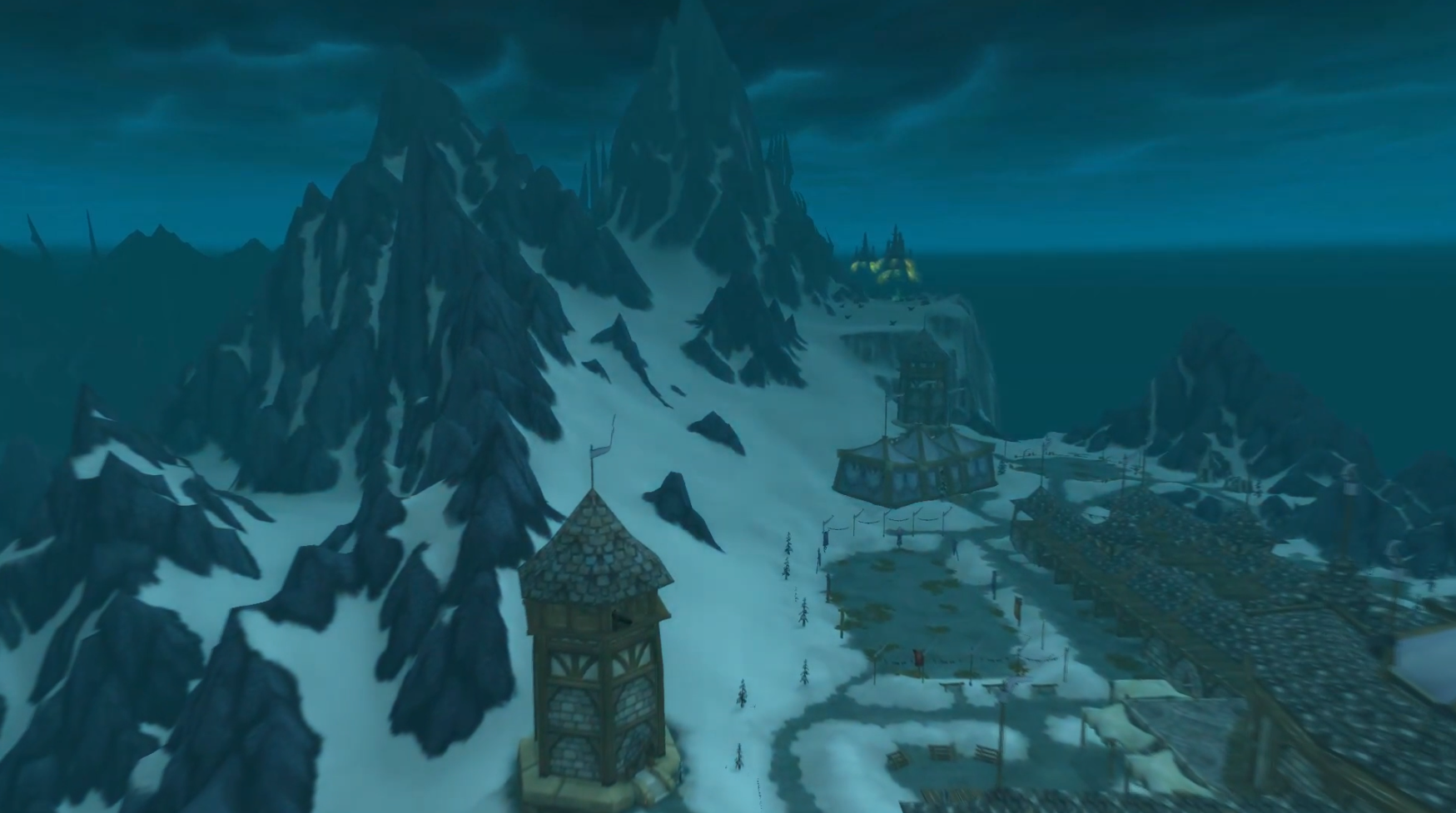
The real watershed moment, arguably, was Patch 3.2.
Before this patch, the endgame progression philosophy in WoW largely mirrored the structure established in vanilla. Raid tiers were meant to be tackled sequentially. A fresh level-cap player generally had to progress through the tiers: in vanilla, this might look like Upper Blackrock Spire -> Zul’Gurub/Molten Core/Onyxia -> Blackwing Lair -> Temple of Ahn’Qiraj (AQ40) -> original Naxxramas. Someone hitting level 60 couldn’t expect to jump straight into Blackwing Lair within a month. This sequential approach mostly persisted through TBC and early WotLK. Before 3.2, a new level 80 typically had to run Heroic dungeons, then gear up in Naxxramas, before realistically hoping to join an Ulduar raid.
Patch 3.2 radically changed the emblem system. Suddenly, Emblems of Conquest (dropping from all raid bosses, including Naxx and Ulduar, and Heroic dungeons) could buy item level 226 gear (equivalent to Tier 8.5 from Ulduar hard modes). Furthermore, the new Emblems of Triumph (earned from the new Trial of the Crusader raid/dungeon and a daily Heroic quest) allowed players to purchase the entire Tier 9 raid set. This effectively let players bypass earlier raid tiers and gear up almost entirely through badges and the newest, relatively simple raid.
On one hand, this was beneficial for newcomers or players leveling their third or fourth “alt,” allowing them to catch up more quickly. On the other hand, Patch 3.2 essentially became the “gravedigger” for the content released before it. While few shed tears for Naxxramas becoming obsolete again, seeing Ulduar relegated so quickly felt like a huge loss. Ulduar was an incredible instance – fourteen bosses, engaging hard modes, stunning design, compelling lore – that could easily have remained relevant content for nine months or more. But the new emblem system and raid tier rendered it largely skippable.
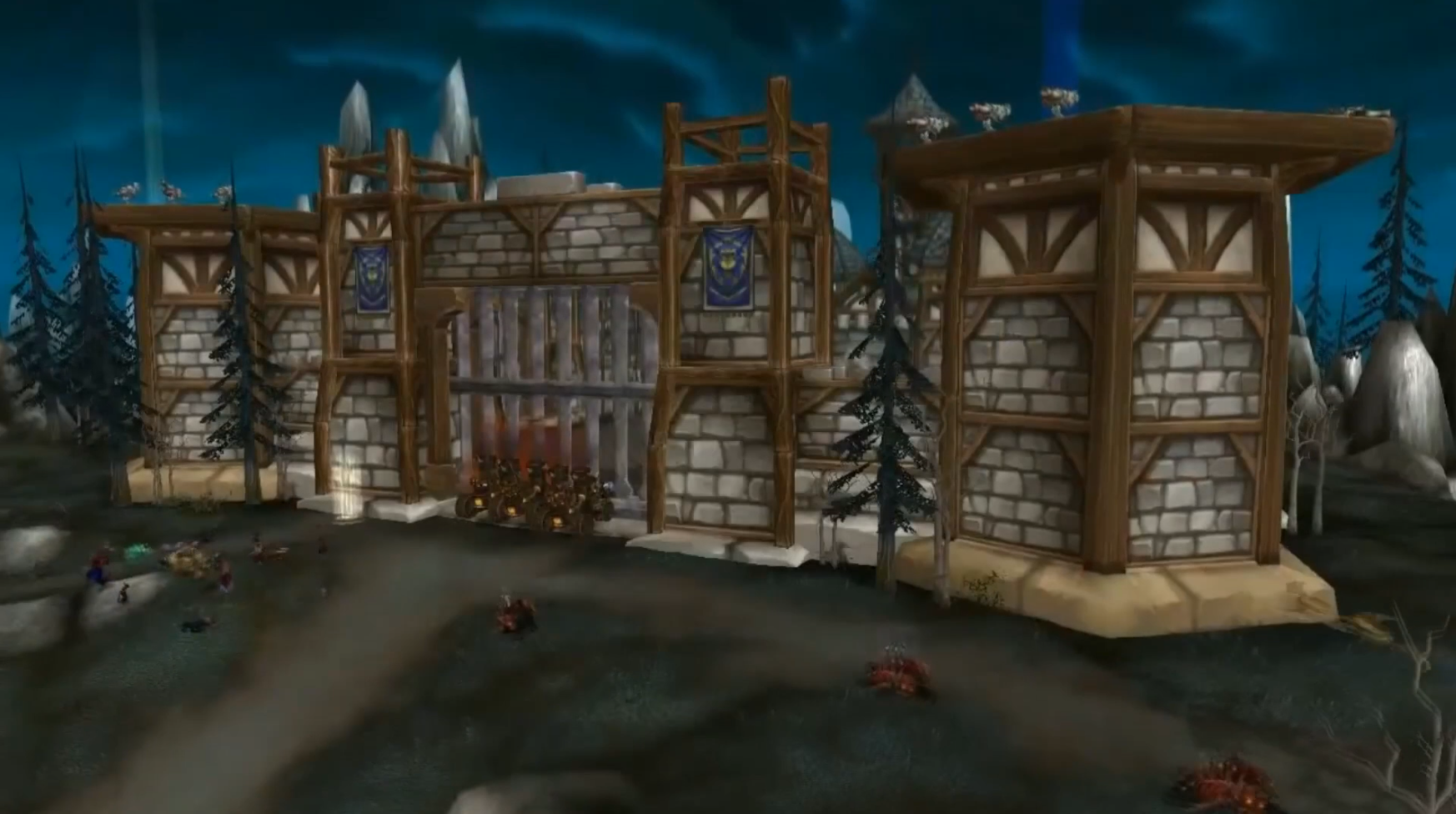
For PvP fans, the patch introduced a new 40v40 battleground, the Isle of Conquest, offering large-scale chaotic “get-togethers.” But the most impactful changes were undeniably on the PvE side.
Other Major 3.2 Changes:
- Mount Costs & Speeds: News dropped that significantly reduced the cost and level requirements for riding skills. The first mount became available at level 20 for “mere pennies.” The basic epic flying skill (previously level 70, 60% speed) was moved to level 60 and boosted to 150% speed, making the old “budget epic flyer” much better. Player convenience was once again prioritized.
- Raid Lock Extension: A significant change allowed raid groups to extend their instance lockout for another week. This was huge for many guilds, especially casual or semi-hardcore ones that might spend one or two nights progressing through Ulduar, perhaps reaching the Keepers but not clearing them. Instead of spending the next week re-clearing already defeated bosses, they could extend the lockout and focus attempts on later bosses.
- Loot Trading: A small but impactful change allowed items accidentally looted by the wrong person (a common issue when “handing out elephants” with Master Looter) to be traded to another eligible raid member within a two-hour window. While helpful for fixing mistakes, this also fueled the market for commercial “GDKP” or loot-selling raids run by enterprising GMs.
- Trial of the Crusader (ToC):
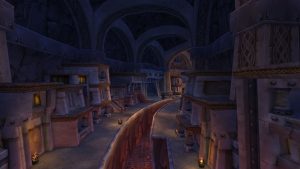
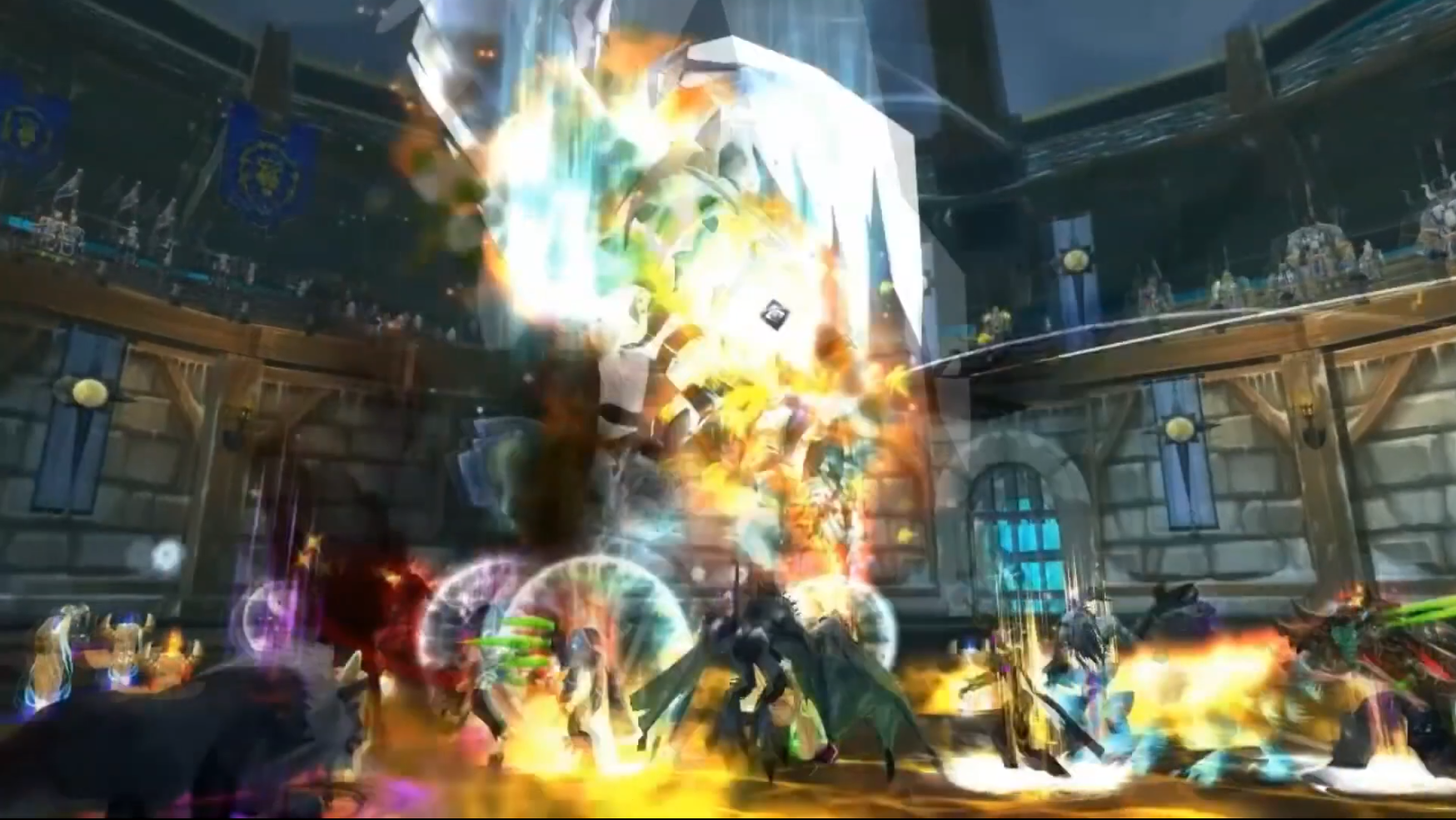
- Construction finally finished on the Argent Tournament Grounds, and the Crusaders’ Coliseum now stood complete. Inside, however, the design was arguably one of the most primitive and dull in WoW history – just a large, sparsely decorated round room with a few key NPCs. This single room housed both a 5-player dungeon (Trial of the Champion) and the 10/25-player raid (Trial of the Crusader), each with normal and heroic difficulties.
- There was virtually no trash, aside from the initial mounted combat phase in the 5-player dungeon. The instance structure was simple: fight waves of enemies or bosses in the center of the arena. Loot from the normal 5-man was comparable to old Heroics; Heroic 5-man loot matched Ulduar-10 normal. The raid dropped gear significantly better than even Ulduar hard modes.
- The Coliseum quickly became a “farm zone.” Fresh level 80s could rapidly gear up in the 5-player versions and collect emblems from daily quests and older Heroics. It was obvious to the naked eye that Blizzard was fast-tracking as many players as possible towards gear levels suitable for the expansion’s grand finale: Icecrown Citadel.
Two Announcements
The summer of 2009 was buzzing in the WoW community. Two major news items dominated discussions: the Warcraft movie and the next expansion.
In July, an official “blue post” announced that Sam Raimi (director of Spider-Man 1-3 and Evil Dead) had been hired to direct the Warcraft movie. Blizzard and Legendary Pictures expressed confidence in Raimi’s passion for the universe and his ability to create a film appealing to both gamers and non-gamers.
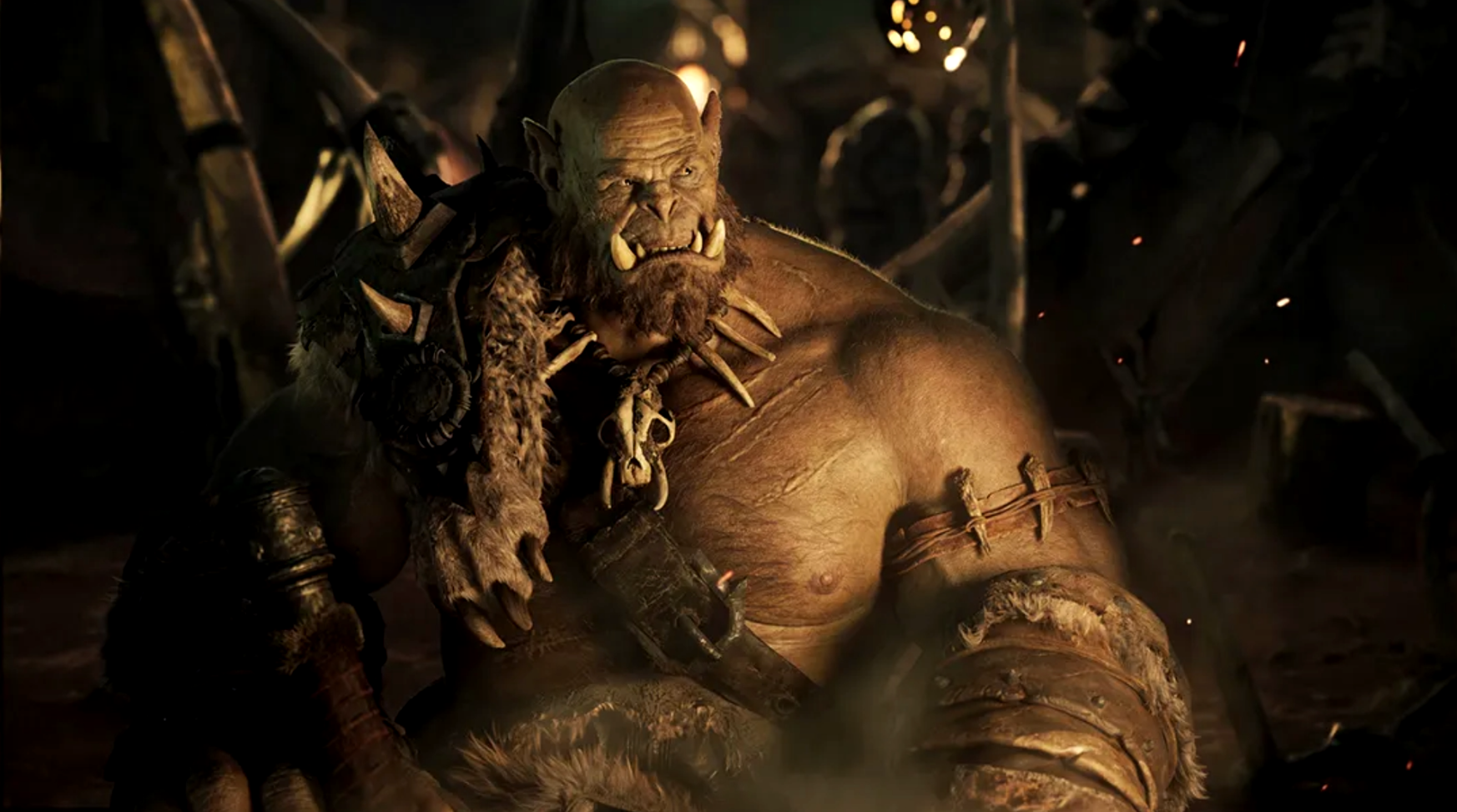
Of course, the film’s development saga dragged on for another eight years, involving director changes, finally releasing in June 2016. Back in 2009, however, the news about the third WoW expansion generated far more immediate excitement.
As often happens, it started with rumors. In late June, news surfaced that Blizzard had trademarked the name “Cataclysm.” Fan forums immediately lit up with speculation – a favorite pastime when current content feels solved. Wild theories emerged, like Azshara flooding the world, inadvertently empowering the Emerald Nightmare, and leading to underwater exploration between small islands. These theories were often jokingly attributed to “reliable sources” like a cleaning lady finding design documents or a pizza delivery guy’s cousin.
While such rumors are usually taken with a grain of salt, things unfolded differently this time. In early August, Wowinsider (a major fansite) leaked information about two potential new races: Worgen and Goblins. Rumors also surfaced about a world-changing event altering the existing continents. But the biggest leak was still to come.
In mid-August, just a week before BlizzCon 2009, the website MMO-Champion published incredibly detailed information about the Cataclysm expansion. Skepticism remained, but when Blizzard made the official announcement at BlizzCon, virtually all the leaked details were confirmed:
- The Old World would be drastically changed by the return of Deathwing.
- The level cap would increase to 85.
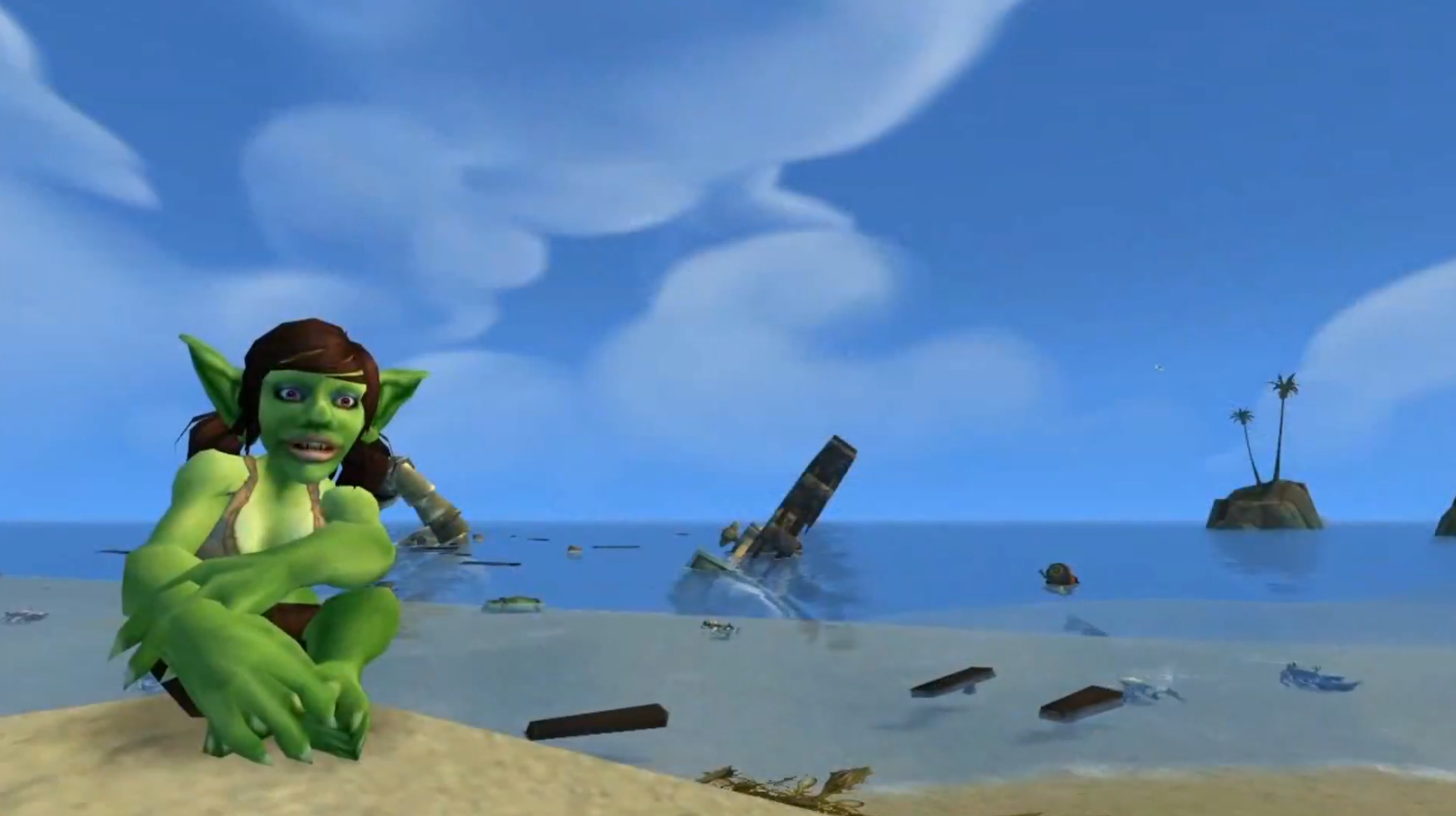
- Two new playable races: Goblins (Horde) and Worgen (Alliance).
- A new secondary profession: Archaeology.
- Revamped classic dungeons.
- New raid content.
- And the “cherry on the cake”: the Path of the Titans, presented as a new form of high-level character progression (though this feature was later scrapped).
The announcement caused a massive stir. Cataclysm arguably became the most anticipated expansion in WoW’s history. Looking back, the period between spring 2009 and roughly 2011 feels like the peak of WoW’s popularity and cultural relevance. The climactic battle against the Lich King – Azeroth’s main antagonist since Warcraft III – was finally on the horizon, and the promised innovations and world-shattering plot of Cataclysm generated immense enthusiasm. It was during this time that WoW’s subscriber base reached its historical peak, hovering around eleven or twelve million players. World of Warcraft was the undisputed king of Western MMOs.
It truly felt like a “golden time.” As the following years demonstrated, dethroning the king proved impossible for competitors. For a long time, Star Wars: The Old Republic (SWTOR) was considered the most likely challenger. It had the backing of a massive IP (Star Wars), a legendary developer (BioWare), and a record-breaking budget. Nevertheless, SWTOR “did not take off” anywhere near WoW’s level, although it was generally considered a worthy MMO. Other potential rivals fared even more modestly.
Next: WoW Player Diary. Part 10. Onyxia is back