About patch 3.1 and raiding
Previous: WoW Player Diary. Part 7. Leveling in Northrend and changing a guild
Patch 3.1 Secrets of Ulduar
Patch 3.1 was eagerly anticipated, especially by raiders who had thoroughly farmed both 10- and 25-player versions of Naxxramas. Reports from the Public Test Realm (PTR) suggested that the upcoming raid, Ulduar, promised a more challenging and engaging experience. But first, let’s look at the significant features Patch 3.1 introduced for the broader player base:
- Dual Specialization: For a one-time fee of 1000 gold, players level 40 and above gained the ability to switch between two distinct talent builds instantly, eliminating the need for constant trips back to a class trainer. This was a massive quality-of-life improvement, particularly for hybrid classes who frequently needed to change roles. Conveniently, a built-in equipment manager was added alongside this, allowing players to save and quickly swap entire gear sets tied to each specialization.
- Swimming Mounts: A small but welcome change: mounts no longer dismounted riders upon entering deep water. Now, everything from horses and rams to engineering motorcycles could swim, removing a persistent annoyance during travel.
- The Argent Tournament: Far north in Icecrown, beyond the Citadel’s shadow, the Argent Crusade established the Argent Tournament grounds. Here, heroes of the Horde and Alliance could test their skills against each other in non-lethal competitions. However, construction wasn’t quite finished at launch (perhaps due to logistical issues). Players participating in the early Tournament daily quests actually contributed resources like stone and wood to goblin foremen to help complete the main Coliseum structure. The Tournament also introduced mounted combat via special jousting mounts. Completing dailies awarded Champion’s Seals, which could be exchanged for rewards like item level 200 epics, unique mounts, and pets. Enterprising players quickly discovered the profitability of trading faction-specific pets via the neutral Auction Houses in Booty Bay and Gadgetzan. While significant in 3.1, the Argent Tournament grounds would become an even bigger hub later in the expansion (Patch 3.2).
Of course, the main highlight of Patch 3.1 was the raid itself: Ulduar.
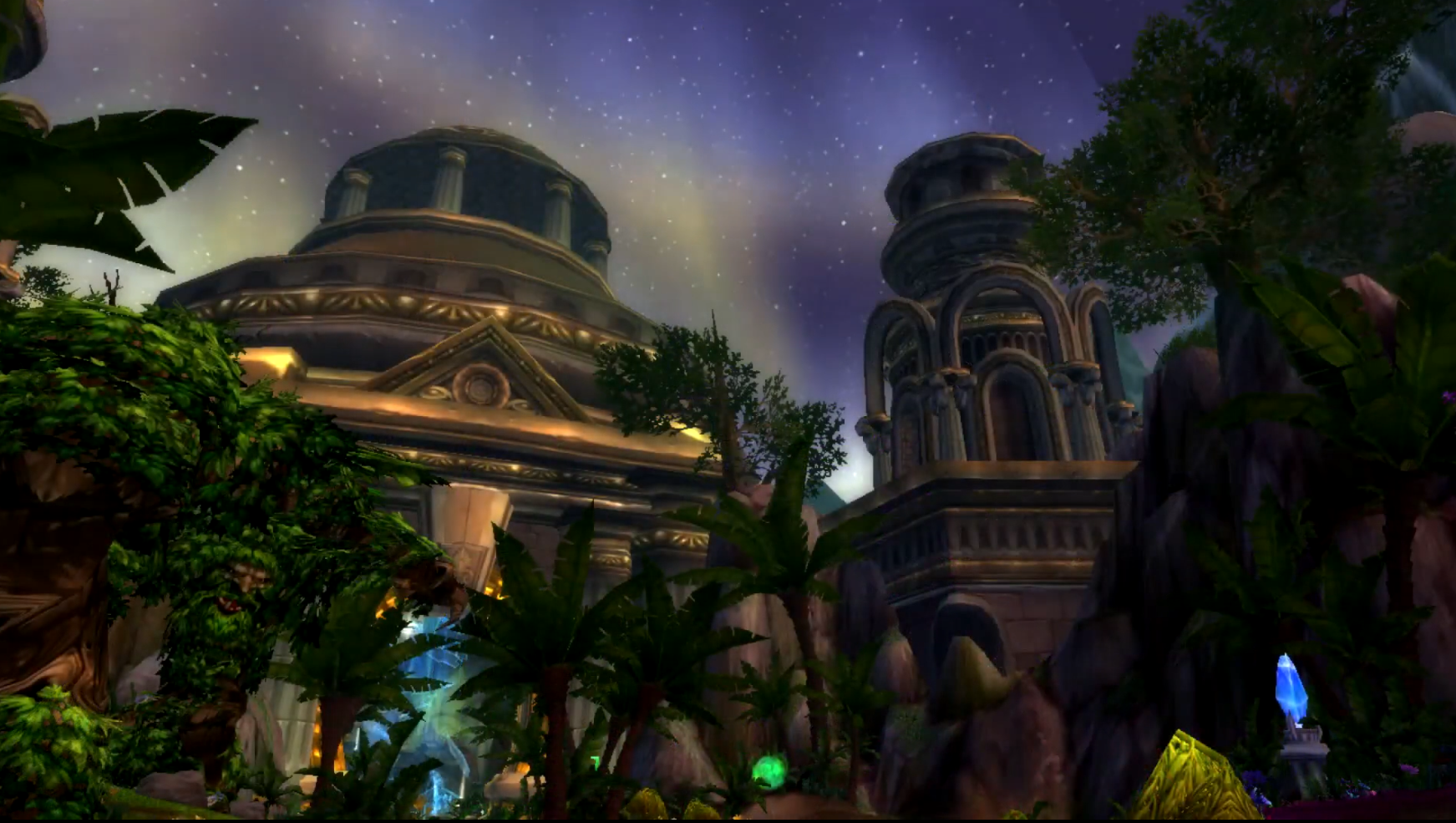
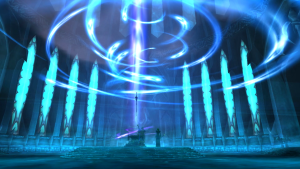
This raid instance was highly anticipated, and it largely delivered on its promise. Ulduar marked Blizzard’s first widespread implementation of optional “hard modes” for boss encounters. While the concept debuted with Sartharion in The Obsidian Sanctum (where leaving drakes alive empowered the main boss), Ulduar applied it much more broadly. Standard “normal modes” allowed players to experience the content and story, while activating specific conditions during a fight unlocked a significantly harder version (“hard mode”) offering superior loot for those seeking a greater challenge.
The pinnacle of these challenges included the hard modes for Mimiron, the final boss Yogg-Saron, and the optional, incredibly difficult bonus boss, Algalon the Observer. Unlike Naxxramas, Ulduar wasn’t cleared within days. Ensidia (the guild formed from the merger of Nihilum and SK Gaming, previously known as TwentyFifthofNovember) only managed to defeat Algalon on 10-player difficulty in early June 2009, weeks after the patch release.
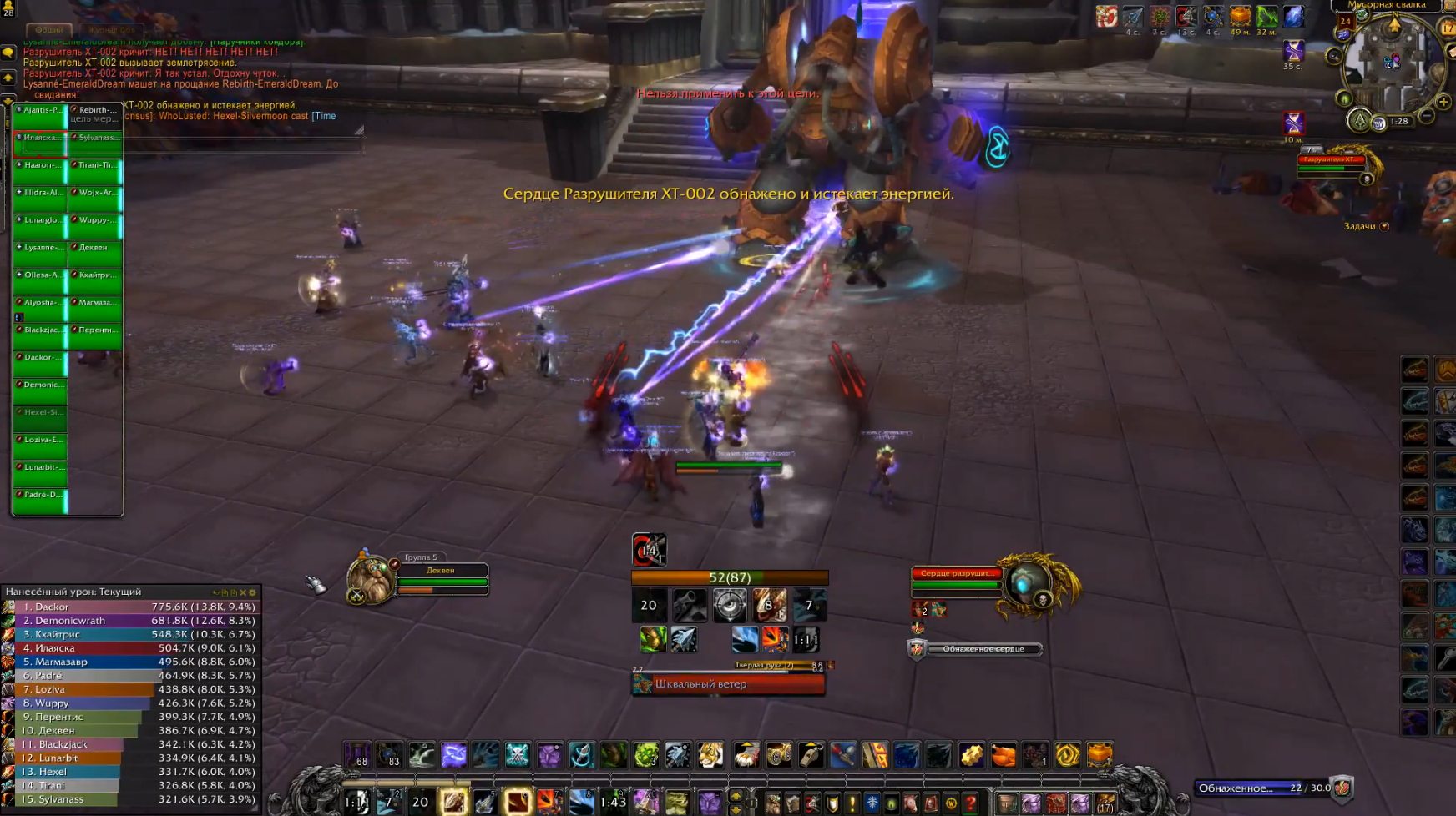
The ultimate raiding test was the Yogg-Saron hard mode, known as “Alone in the Darkness” or “Yogg-0,” where players fought the final boss without the assistance of any Keepers (powerful NPCs who normally provided buffs and mechanics assistance). Forum theorists initially calculated that defeating Yogg-0 was mathematically impossible with the gear available at the time. Despite this, news rippled through the community in late June 2009 that the US guild Exodus (Ysondre server) had achieved the kill. However, controversy followed as it was revealed they utilized a bug; the guild received temporary bans. Just ten days later, the Chinese guild Stars achieved the seemingly impossible feat legitimately, proving it could be done without exploits.
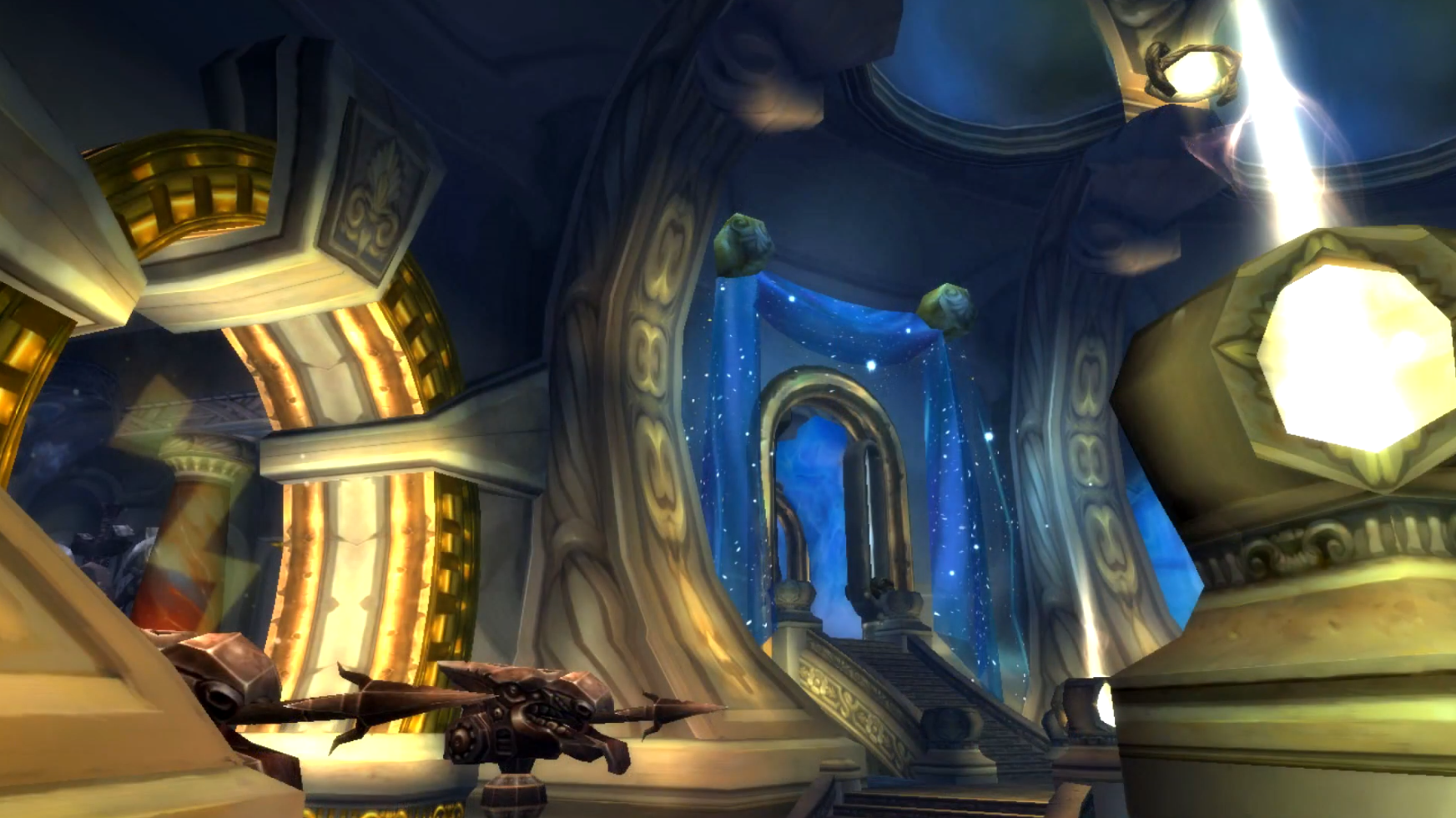
Ulduar wasn’t just mechanically challenging; its design was superb. It offered incredible environmental variety, from Freya’s lush Conservatory of Life and Mimiron’s intricate workshop (complete with a tramway) to the vast, snow-swept exterior zones teeming with giants. The instance’s deep lore, delving into the Titans and the Old Gods, is considered by many to be even more compelling than that of Icecrown Citadel itself. The encounters were equally well-crafted. Even a year later, well-geared raids in Tier 10 equipment could easily wipe on bosses like Yogg-Saron (even with one Keeper assisting) if they failed to execute mechanics properly. Simply overpowering bosses with gear (“zerging”) wasn’t a viable strategy for many encounters.
Ulduar was, by almost every measure, a resounding success. Arguably, its scale and thematic weight, dealing with an Old God of Death, could have positioned it as the expansion’s final raid. After all, Yogg-Saron represents a cosmic threat arguably greater than the Lich King. However, the expansion was titled Wrath of the Lich King, and ultimately, Arthas’s story needed to be the concluding chapter, making the incredible Ulduar storyline ultimately secondary to the expansion’s namesake.
Raiding: the beginning
My first real understanding of what “raiding” meant came from reading Dima Rommel’s “Azeroth Chronicles.” I later learned that EverQuest 2 also featured this kind of large-group content. It all sounded incredibly exciting. While I never got the chance to raid seriously in EQ2, raiding eventually became my primary focus at the level cap in World of Warcraft. “Primary” not in the sense that I raided every single night, but that my character progression and even my choice of guild became driven by how effective I could be in raids.
My initial taste of raiding happened back in the summer of 2008. It wasn’t current content, though – it was a run into Zul’Gurub, which at the time was still a 20-player instance. We cobbled together about fifteen random players. We cleared the trash mobs easily enough but wiped a couple of times on High Priestess Mar’li (the “mouse boss”). The group quickly fell apart after that, mainly because our only “tank” was a rogue trying to replicate a strategy famously used on Magtheridon – it didn’t quite work out.
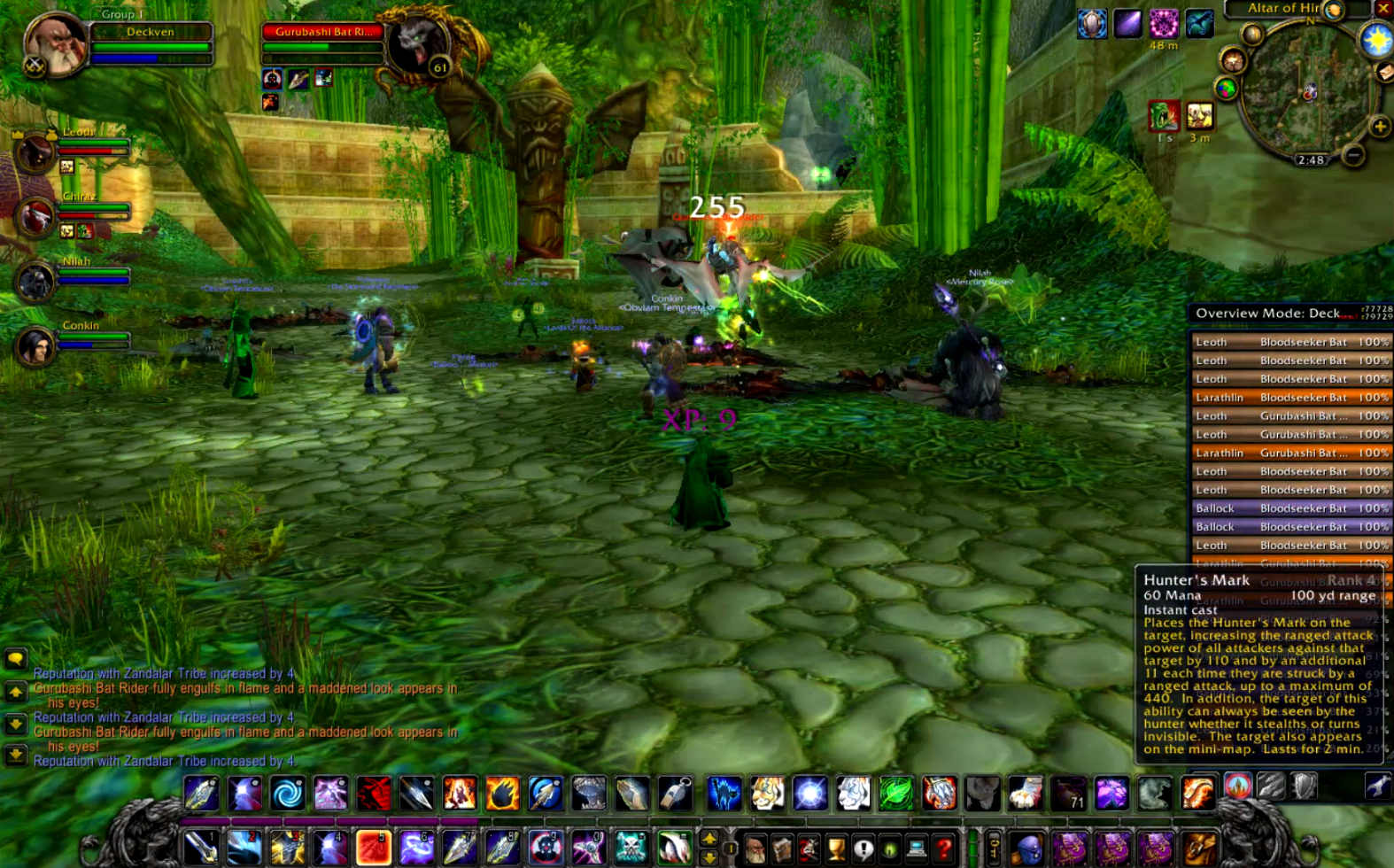
Later, I joined a run into the Temple of Ahn’Qiraj (AQ40) organized by players from other guilds. This was put together by Oeltra, a dedicated player from London who, by September 2008, already had over 100 days of /played time. She later attempted to organize a Naxxramas-40 run, but it never materialized. Instead, we ended up doing the Ruins of Ahn’Qiraj (AQ20). I even visited Karazhan, but only after Wrath of the Lich King had launched, when I was level 72 – making it another nostalgia or “fun run,” though the bosses still packed a punch for our casual group.
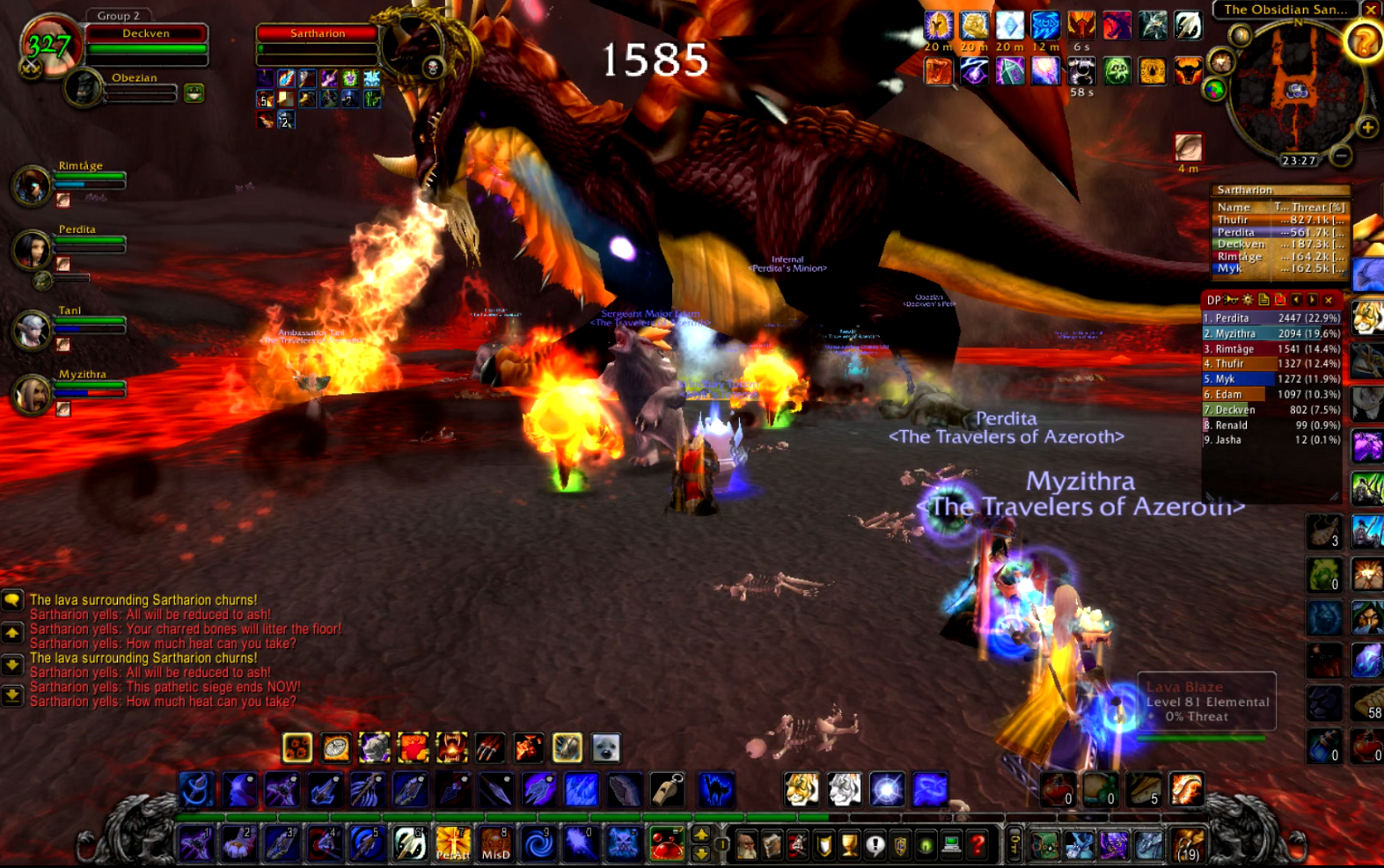
My very first current raid experience in WotLK was the Obsidian Sanctum (OS). The main objective was Sartharion, the boss holding the loot. Putting together a 10-player raid was quick; our guild was quite active, usually having 20+ members online in the evenings. The entire instance – clearing the minimal trash and killing the boss – took only about 20-25 minutes.
Honestly, that first Sartharion kill didn’t leave much of an impression. It reminded me more of the time fifteen level 70s steamrolled Onyxia right after Patch 3.0.2 removed her attunement quest chain – we defeated her in about five minutes. Sartharion felt similar. Yes, the guild group had killed him many times before, but I had hoped for something more… epic. Frankly, some Heroic dungeon bosses felt more engaging than this raid encounter (though, to be fair, we killed him on normal mode without activating any hard-mode drakes). The loot was a token for a Tier 7 set piece and a 22-slot bag.
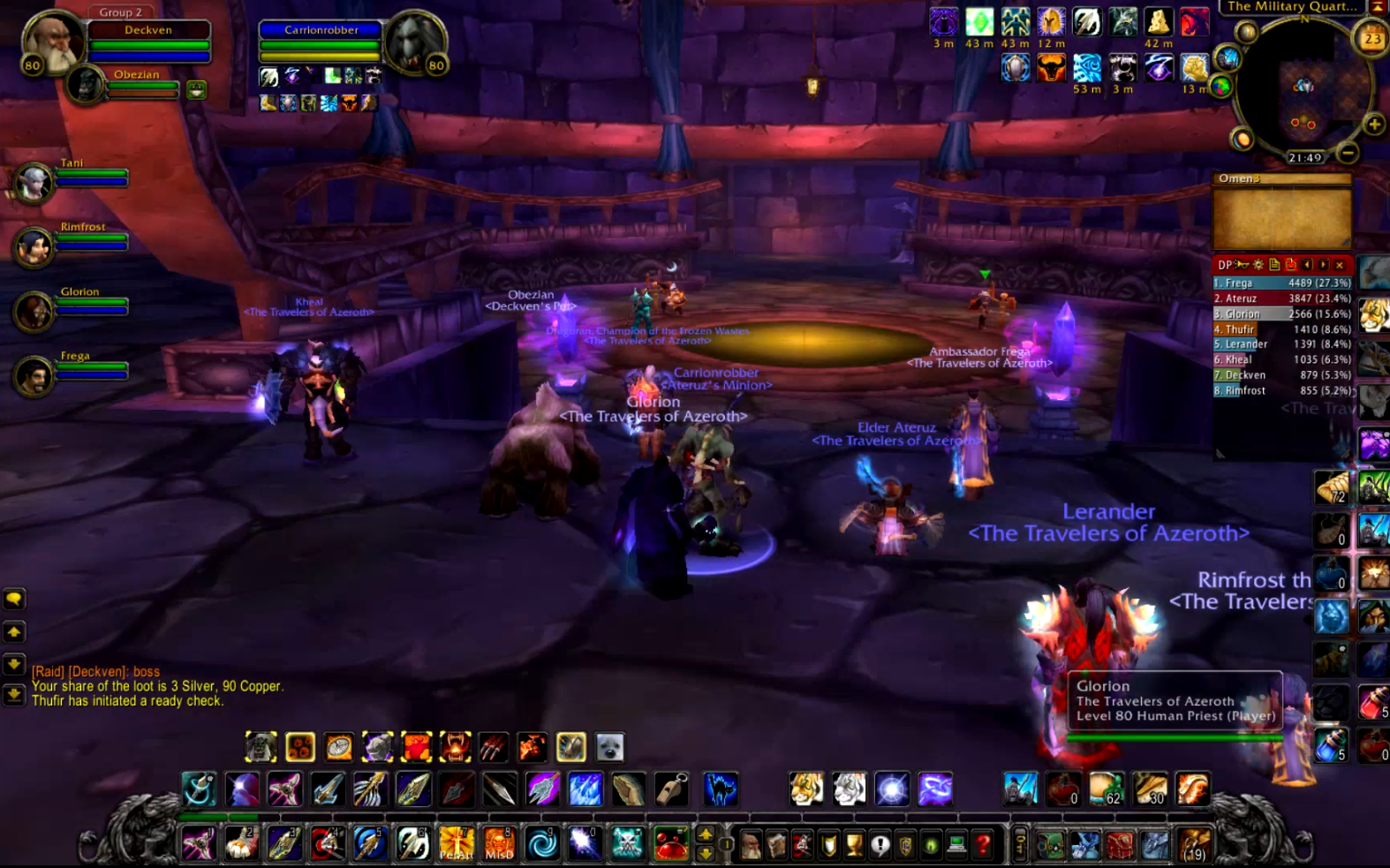
My first venture into Naxxramas (10-player) happened in mid-April 2009. Our guild typically split Naxx runs over two nights per week. On the first night, we tackled the Arachnid Quarter (Spider Wing) and the Military Quarter. The run took a little over two hours, and we only wiped twice: once on Maexxna and once on the Four Horsemen.
My initial impression of Naxx was that it felt like a very long Heroic dungeon. My hands were definitely sweating before the first boss, Anub’Rekhan, and after we killed him, my head was spinning, thinking, “What just happened?” But I adapted quickly. Some bosses didn’t feel particularly memorable, like Instructor Razuvious – his fight felt like a simple “hit harder, run faster” scenario, similar to Sartharion. Gothik the Harvester was more interesting, but still relatively straightforward. I did enjoy the Four Horsemen fight; it required actual coordination, and our second wipe of the night happened precisely because we messed that up.
Aesthetically, the instance was a mixed bag. The Spider Wing’s garish acid-green and pink color scheme wasn’t my favorite. The Military Quarter, however, had a more serious, imposing design and remained my preferred wing. Loot-wise, the run was decent. Besides six Emblems of Valor, I picked up some gloves (no better than my current ones, but nobody else needed them) and won the roll for the Ghost Spear polearm after tying with another player at 100 and winning the subsequent roll-off. (Interestingly, back then, Hunters often competed with Druids for polearms, not as active weapons, but as powerful “stat sticks” equipped alongside our ranged weapon).
Between that first night and the second raid night later that week, I also managed to win a token for Tier 7 gloves from another source, which was a nice upgrade.
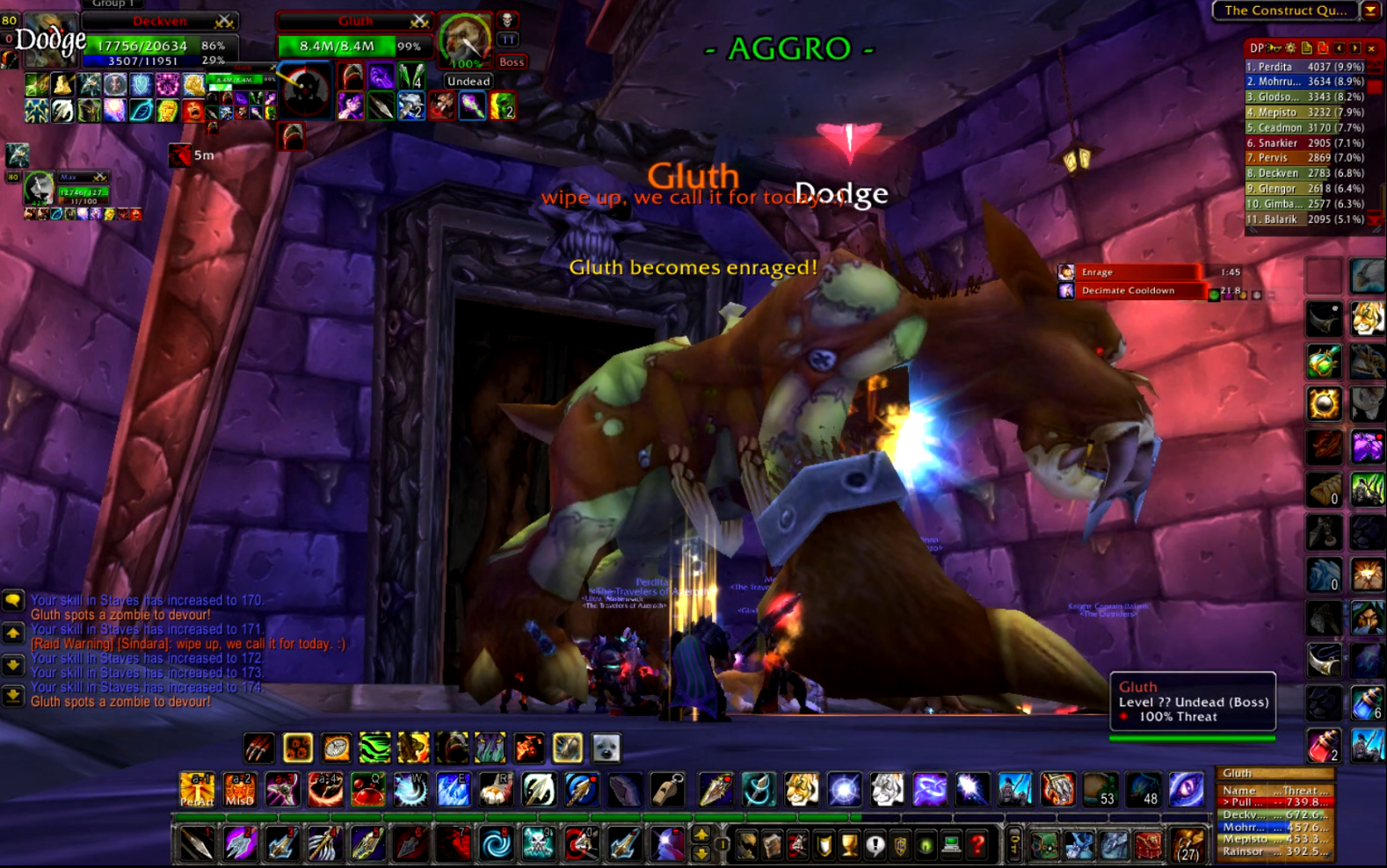
Our second Naxx night started smoothly. We cleared the Plague Quarter in about 30 minutes. The Construct Quarter took a bit longer, maybe an hour. Finally, Sapphiron and Kel’Thuzad took roughly 40 minutes combined. We wiped twice more – once on Thaddius and once on Kel’Thuzad himself. I personally died four times throughout the night: twice on Thaddius, once on Heigan the Unclean, and once on Kel’Thuzad, mostly due to misunderstanding tactics. Reading guides helps, but there’s no substitute for experiencing the mechanics firsthand a couple of times.
The bosses in these wings felt much more engaging. The “Heigan dance” to avoid slime, navigating Grobbulus’s poison clouds, the frantic polarity switching on Thaddius, dodging frost breaths behind ice blocks during the Sapphiron fight, and coordinating defense against Kel’Thuzad’s minions – it was all quite memorable. Heigan and Thaddius were particularly fun fights.
In early May, our guild teamed up with members from two other casual guilds to attempt the 25-player version of Naxxramas. Remember, back then, 10-player and 25-player lockouts were separate, so you could raid both each week. None of our individual guilds had enough people for a consistent 25-player roster, so we formed a “hodgepodge” group whose composition changed week to week. Because of this inconsistency, our “progress” (if you could call it that) was spotty. Some weeks went okay; others saw us repeatedly wiping on relatively simple bosses like Razuvious or Patchwerk. We never even managed to reach Kel’Thuzad in the 25-player version.
Despite the frustrations, the experience was valuable and only fueled my interest in raiding. Even though Naxxramas wasn’t considered overly difficult, it forced me to learn my class mechanics better, start using essential addons, and pay closer attention to encounter details. Admittedly, it took me a long time to reach a competent level. It’s funny to think about now, but back then, I raided without adjusting my camera distance – I fought raid bosses using the same close-up view I used for questing! Learning to zoom out for better situational awareness came much, much later, when I started raiding more seriously.
“Access denied”
Blizzard Entertainment earned a reputation for releasing incredibly polished games. They famously spent years developing projects, resulting in very few commercial failures – Blizzard primarily shipped hits. It’s well-known that several projects, like StarCraft: Ghost and Warcraft Adventures, were cancelled simply because the developers felt they wouldn’t meet that “hit” standard.
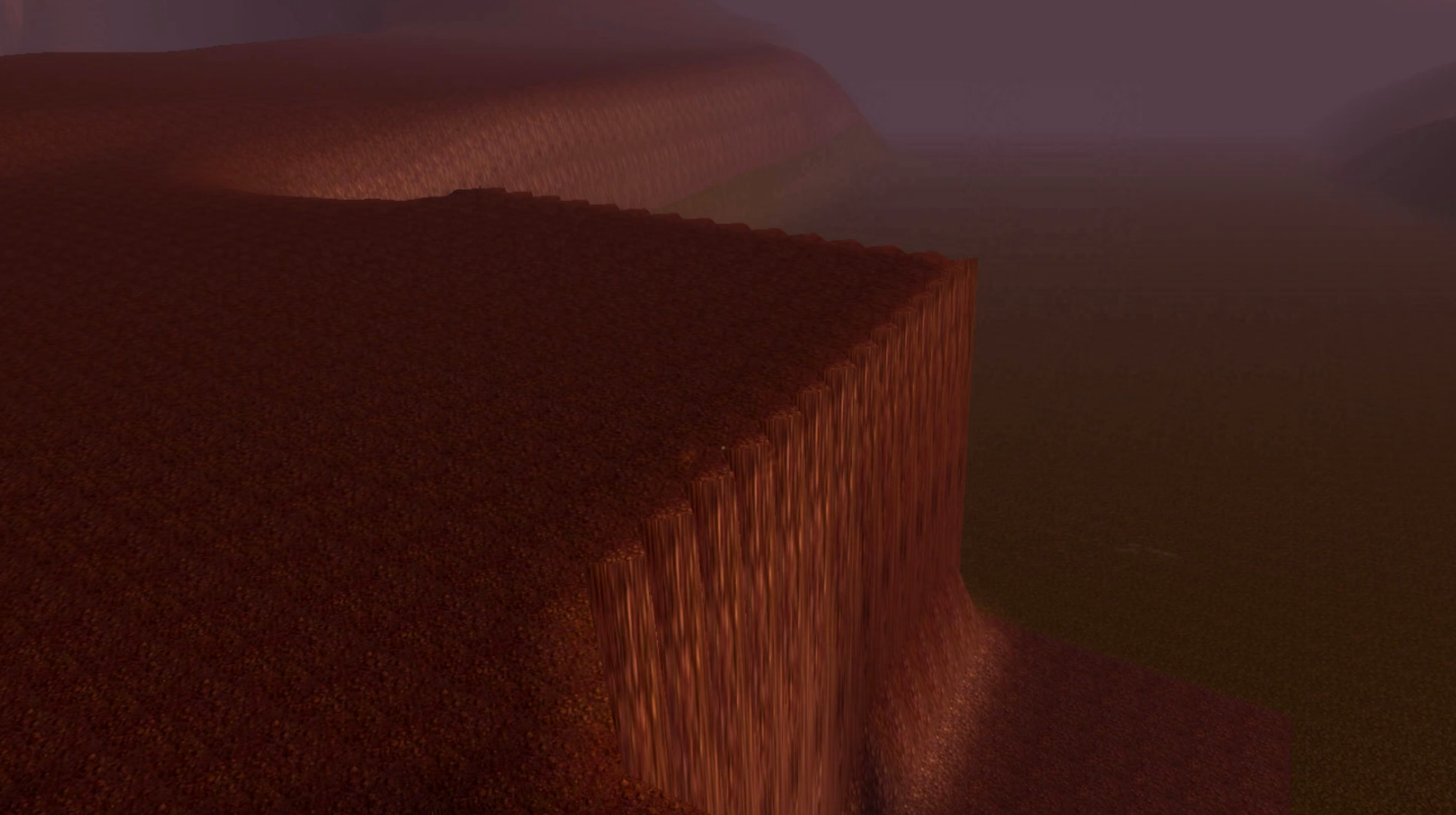
However, nothing is perfect. Even Blizzard’s biggest success, World of Warcraft, had significant flaws despite years of development. I’m not talking about class balance debates or controversial content patches like the Trial of the Crusader. I’m referring to the very foundation of the game: the original continents of Kalimdor and the Eastern Kingdoms, often called the “Old World.”
Many veteran players know the likely reason why flying wasn’t initially possible in the Old World. This core part of the game, the “vanilla” experience (WoW versions 1.x.x), was essentially launched incomplete. There were visible seams between zones, unfinished landscapes, missing details on structures, and holes in the game’s geometry (texture gaps). To ship the game sooner and prevent players from seeing these rough edges, Blizzard restricted movement. They carefully designed flight paths (gryphon routes) to showcase only the polished areas and prevented players from easily accessing unfinished or off-limits zones.
That said, not everything hidden was broken. Beyond the accessible world lay vast, graphically complete but empty zones – areas like the lands behind Ahn’Qiraj, the original Mount Hyjal, or zones intended for scrapped content like the Emerald Dream. These places looked finished but lacked any creatures (mobs) or characters (NPCs). There were even fully populated hidden locations, like the curious Dancing Troll Village.
Before the Cataclysm expansion revamped the Old World, a dedicated community of players specialized in exploring these “secret” or “forbidden” areas. They meticulously searched for gaps in the world geometry, performed impressive feats of in-game acrobatics, and utilized bugs to glitch through invisible walls and explore beyond the intended boundaries. Understandably, Blizzard didn’t encourage this “exploration,” and players caught glitching into forbidden zones could receive temporary bans (often three days). Yet, neither the threat of bans nor physical barriers (like the gates blocking Hyjal) deterred these persistent adventurers.
I dabbled in exploration myself. My first target was the Ironforge Airfield. Today, it’s a regular part of the Dwarf starting experience, but back in the summer of 2009, it was a hidden gem. You could only glimpse it while flying on the gryphon route between Ironforge and Menethil Harbor: a U-shaped runway, parked airplanes, a bunker dug into the hillside, and watchtowers on the surrounding slopes. If you looked closely, you could see a tunnel entrance, patrolling guards, and even a group of dwarves fighting off troggs near a frozen lake.
One summer evening, after finishing my Argent Tournament daily quests and clearing the Old Hillsbrad dungeon solo, I decided to unwind by trying to reach the airfield. I asked in guild chat if anyone knew how, and a veteran warlock named Logann offered to guide me.
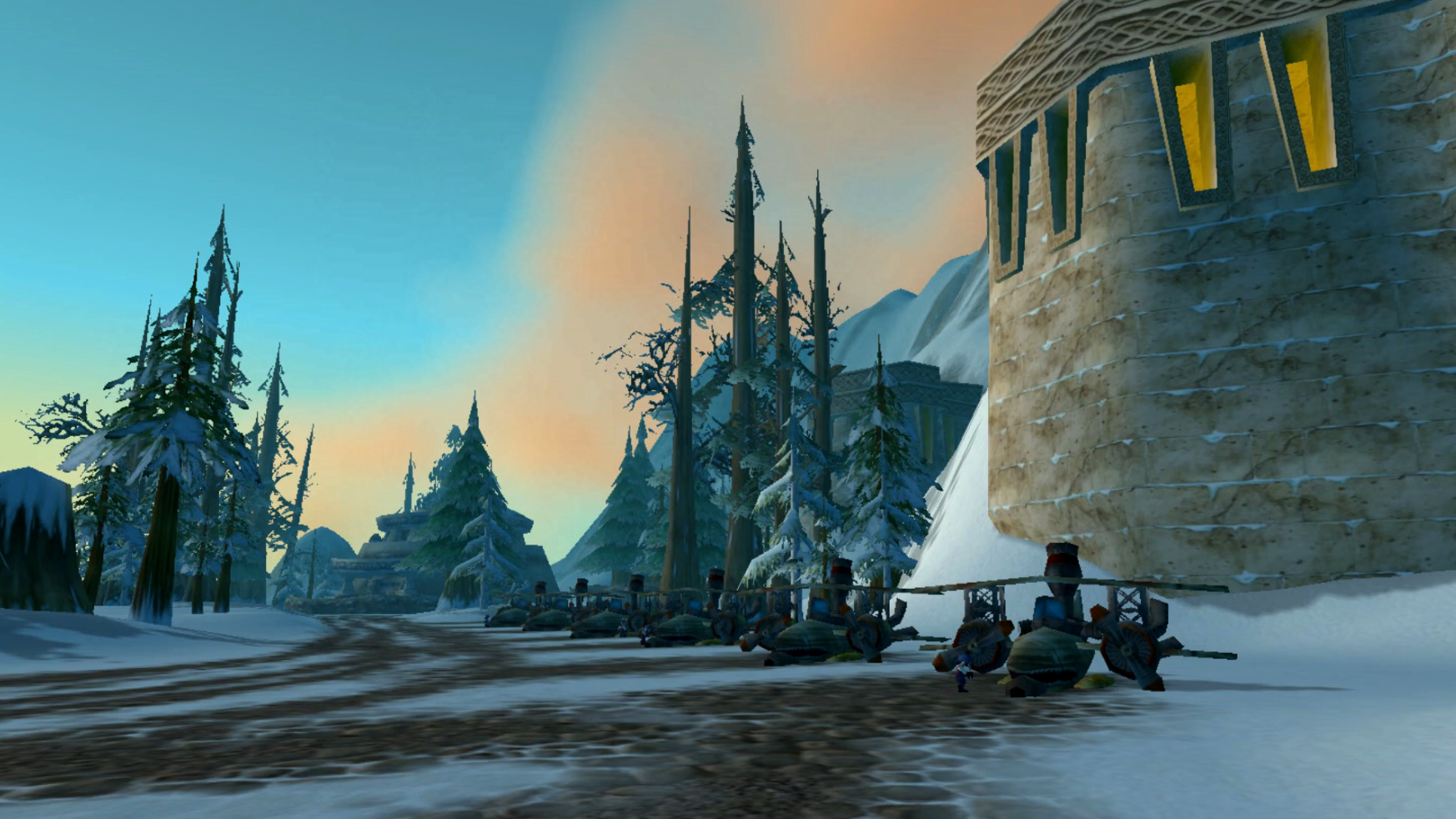
The path started near Ironforge’s North Gate, on the Loch Modan side. Logann showed me the precise spot where you had to start jumping up the mountainside, carefully finding purchase on the invisible ledges in the terrain geometry. It took me about three minutes of tricky jumping to get a foothold. I waited for him, but unfortunately, he was having trouble replicating the jumps. Realizing I’d have to proceed alone, I continued the climb, using his advice and relying heavily on my Carbonite addon map, which displayed terrain details surprisingly well when zoomed in.
After a certain point, the path became much easier, and I ran the rest of the way to the airfield. It was a cool place! NPCs walked around purposefully and would even respond if you interacted with them. However, signs of its unfinished state were apparent. For instance, the bunker lacked entrance steps, requiring a mounted jump over a curb to get inside (though the interior itself was modelled). The tunnel that seemingly led back towards Ironforge proper was blocked by an invisible wall just inside the entrance, even though you could see the passage continuing beyond it.
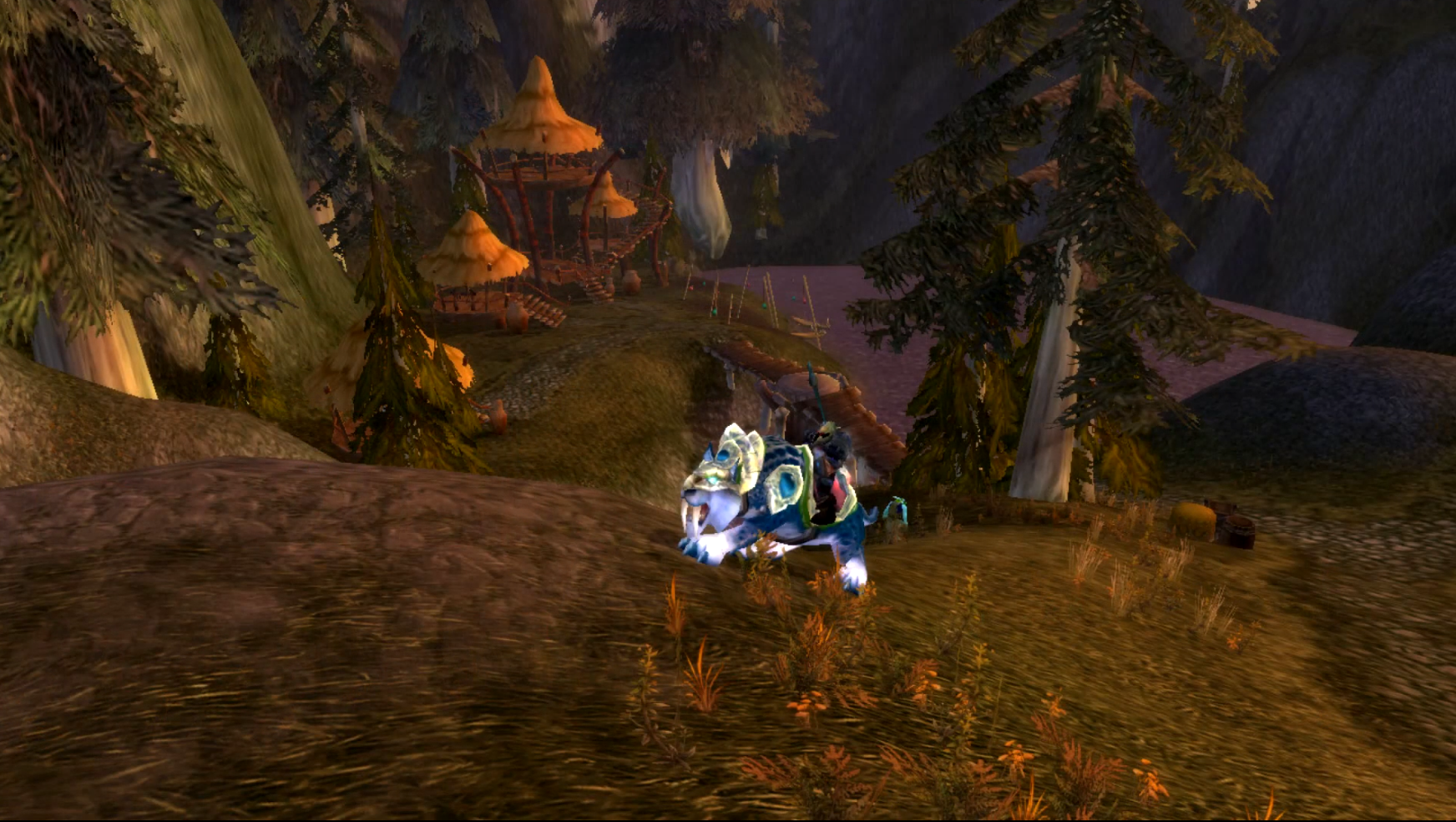
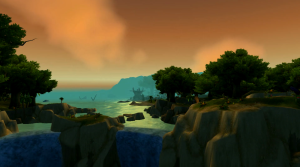
Another hidden spot I visited was the “Dancing Troll Village.” This peaceful settlement was nestled high in the mountains between Darkshore, Winterspring, and Moonglade. (After Cataclysm, a path was opened from Darkshore, and the trolls are now depicted fighting Night Elves over the area). But back then, it was just a serene village where trolls perpetually danced, seemingly happy and isolated.
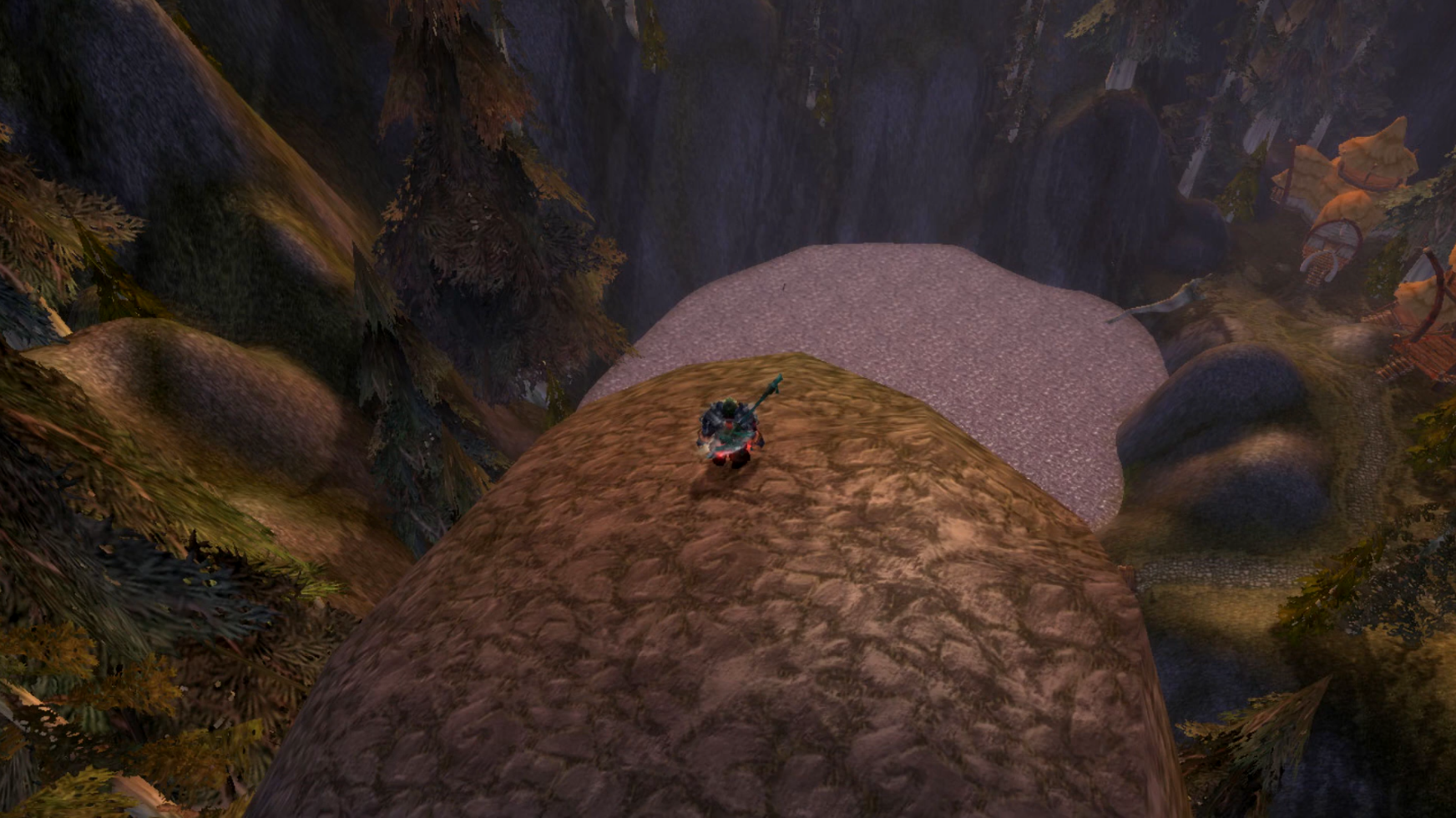
Getting there was significantly harder than reaching the airfield. The challenge began in Winterspring, requiring careful jumping onto a specific hill to traverse through a forest leading to a very steep drop. The descent was the real problem. Simply jumping off meant certain death – I splatted several times trying. After three failures, I remembered my Engineering profession and crafted a parachute. It took two careful jumps: one onto an intermediate ledge, then another parachute jump from that ledge down to the village path.
The adventure was definitely worth it. The village was picturesque and incredibly peaceful. The trolls were non-hostile, and the place had a calm atmosphere that reminded me of Lake Ritsa, a scenic spot in Abkhazia I’d visited as a teenager – a tranquil lake surrounded by steep mountains.
Next: WoW Player Diary. Part 9. Casuals storm Ulduar