Since its release in 2004, World of Warcraft has reigned supreme among MMOs. Its steady growth in subscribers, peaking at 12 million during WotLK, has motivated other developers and publishers to replicate its success. While not everyone has explicitly stated this, it’s generally clear that millions of WoW players represent a potential audience for other MMOs.
Creating a “WoW killer” never worked, but several successful MMOs emerged from these attempts. Some, like Warhammer Online, Tabula Rasa, and Wildstar, have since closed, while others are still alive to varying degrees. Age of Conan, RIFT, Lord of the Rings, Guild Wars 2, Elder Scrolls Online, and Star Wars: The Old Republic—if you’re an MMO fan, they’re at least worth checking out.
In 2011, games like RIFT and SWTOR were contenders for the title of WoW killer. RIFT’s creators weren’t even shy about the advertising slogan “You are not in Azeroth anymore.” As for SWTOR, it was being developed by Bioware, a studio at the peak of its form, having released a number of cult titles in the 2000s. With two successful KoTOR games and a multi-million dollar budget under their belt, they posed a real threat.
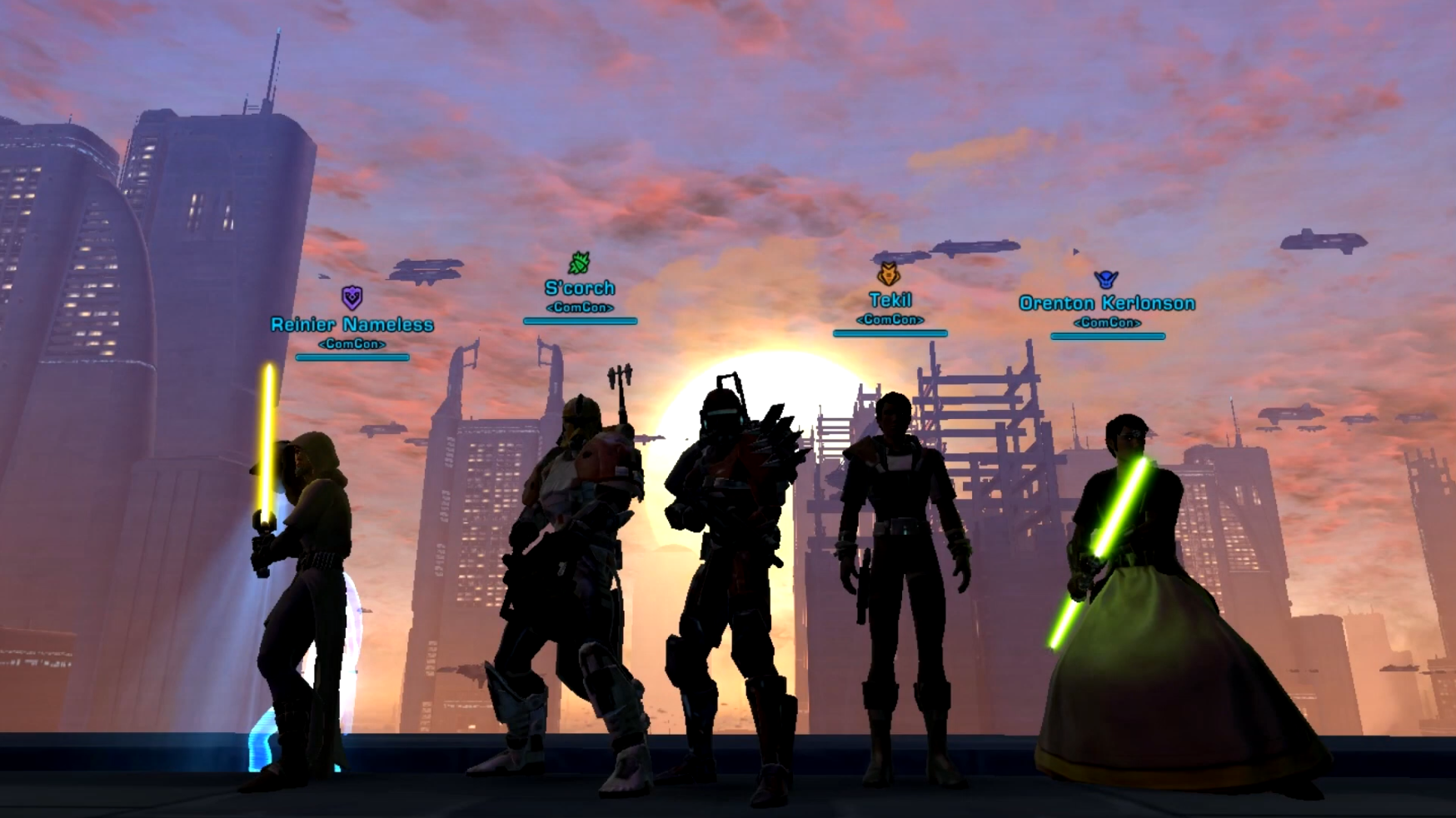
However, the story of SWTOR and its “blow” to WoW is yet to come; the game wasn’t released until late 2011. RIFT, however, was released on March 1st, and in my memory, it was the first game to dare bark at an elephant.
RIFT
“A fish rots from the head.” It all started when Ashley, the Decepticons’ guildmaster, wrote an enthusiastic post on the guild forum about how great RIFT was. And his enthusiasm wasn’t without reason. Firstly, he’d been playing WoW since its release. Secondly, he’d tried practically every “WoW killer” game released in recent years, including AoC, WAR, and AION. In his opinion, RIFT was the best he’d seen in the past few years.
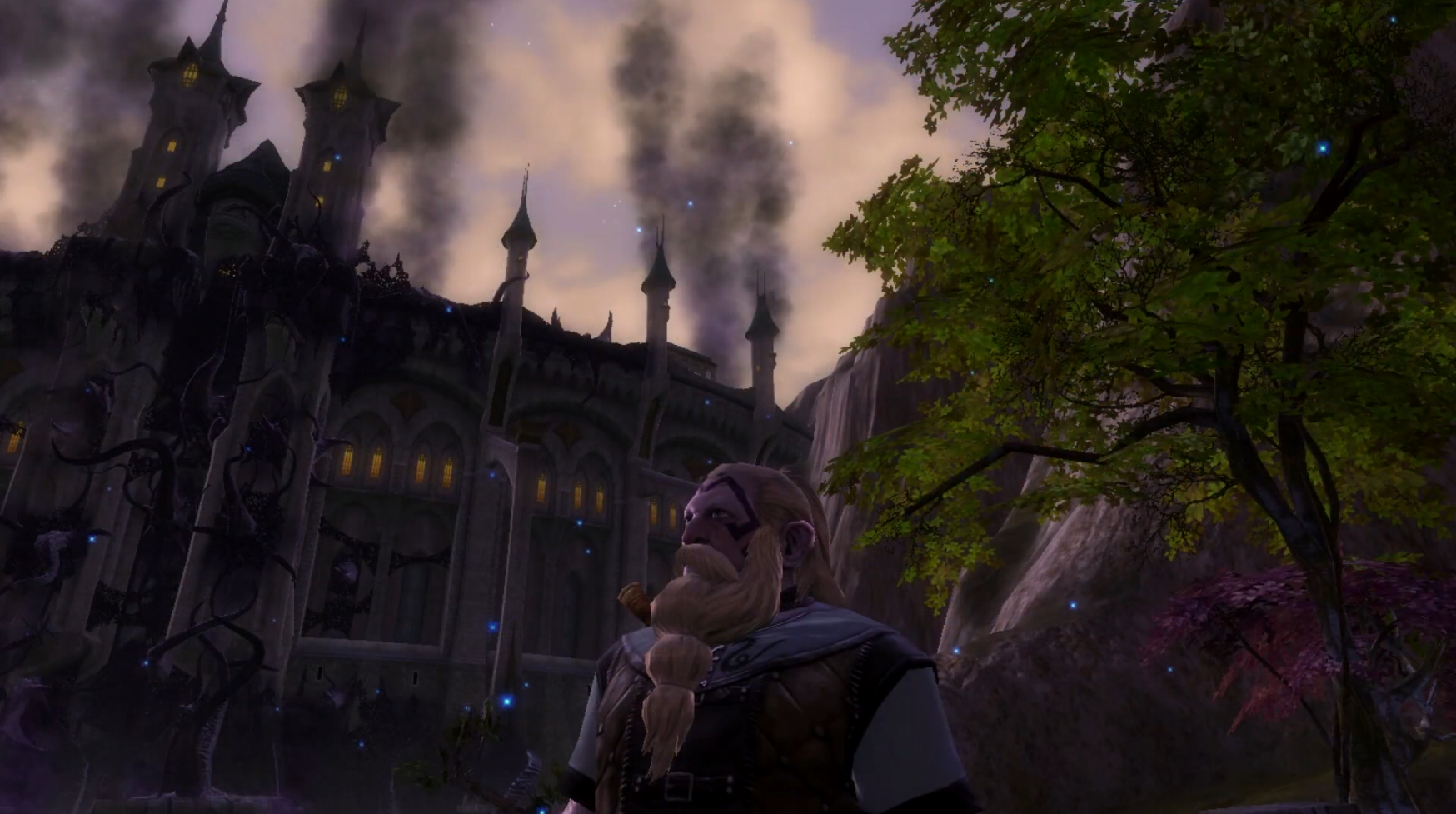
The thread became the most discussed place on the guild forum, and within ten days, five more guild members began disappearing into RIFT. The consensus was almost unanimous: the game was good. This had such a negative impact on the guild that they stopped recruiting. They had a steadily improving static player base of old comrades and a “bench” of three damage dealers. Of the three evenings, two are called “progress,” and the third is supposedly reserved for farming, but getting into it is also problematic—after all, to try the last bosses, you need to quickly clear nine “easy” bosses in one evening. Therefore, newcomers are accepted with great reluctance. On non-raid evenings, the guild hall is quiet, with only two or three people there, or sometimes even me alone. “Everyone’s gone to RIFT.”
I decided to talk to Ashley about the future, realized everything was very unclear, said goodbye, and left. There’s little that can be done in the world, sitting by the sea, waiting for the weather to change, especially in a guild that’s about to join RIFT. So my raiding with the Decepticons ended before it really began, although I enjoyed the few runs I had with them. The guys were handy and businesslike; after wipes, for example, they didn’t have long conversations; they’d just use their consumables and pull again.
Reading reviews from seasoned RIFT players, it became clear what might have been so appealing about the game. One of the things was the spirit of exploration. I recalled my early days in World of Warcraft, when I was leveling up my main. Back then, I saw each new level not as a step toward endgame, but as a ticket to a new location. I loved visiting new places, discovering locations, and traveling through them. Later, when I’d covered a lot of ground, I wanted to explore “hidden locations.” I remember sneaking into a village of dancing trolls (which became a village of shooting trolls after the Cataclysm). A run to Winterspring, then clinging to textures, then jumping on cliffs, several unsuccessful attempts, and finally, two successful parachute jumps, and I was in a new place. The joy was no less than from a new epic, if not more. I understood the Rift players who were now exploring a new world; it was truly exciting.
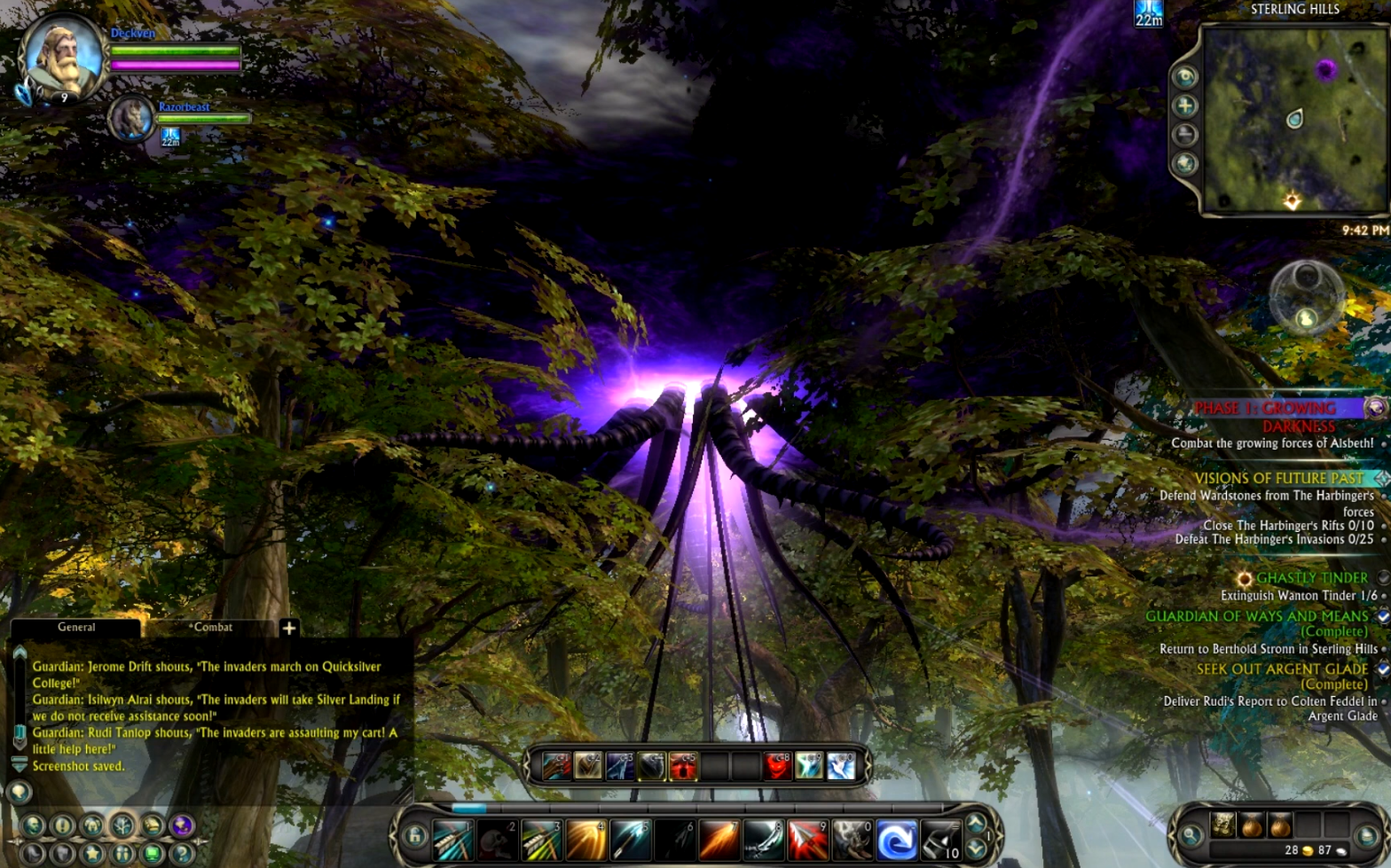
Maybe that’s why people were switching to RIFT, whole guilds at that. I once came across an article on arrayeli.com (a sister site to wow.com) about some bloggers declaring their platforms “RIFT-free.” Meaning, no discussions about the game were allowed there. What’s more, even two WoW blogs from the RuNet blogosphere became the first platforms dedicated to RIFT.
The beginning of the exodus
Yes, RIFT was the first MMO I can remember that stole WoW’s audience, but by and large, it wasn’t RIFT that was the problem, but rather Cataclysm itself. A significant portion of the developers’ efforts went into reworking the Old World, even though this content was one-time use. Even with a casual pace, all quests could be completed by a couple of characters in two, three months at most. The developers didn’t provide any incentive to return and level up a couple more alts.
Furthermore, the endgame turned out to be too difficult for casual players, spoiled by the nerfed Icecrown Citadel. I was once surprised to read threads on wow.com regarding raid difficulty. A member of one casual guild admitted that they’d been trying Magmaw from the Blackwing Lair raid for a month, and their best result was 20%, and there were quite a few, if not most, guilds like that. After Decepticons, I joined the Enslave guild, a typical casual group, which were plentiful on Moonglade. We were doing well against Magmaw, but we struggled heavily with Atramedes and couldn’t kill him. Our best try on him was 3% (I also left them pretty quickly, by the way). Tier 11 encounters were unforgiving, and people were simply frustrated.
I also saw people leaving in the blogosphere. Fellow bloggers were leaving. In this regard, the farewell post by Yael, the Legend Keepers guildmaster, was interesting. I was particularly surprised by the details of her conversation with one of the gamemasters. When he asked why she’d canceled her subscription, she responded with eight pages of explanations about what depressing crap “Cataclysm” was. Fox, the WoWFamily blogger, and Pikhta, who wrote interesting articles on economics, left for Daggerfall. Blog statistics also showed a sharp decline in traffic starting in March. While after the release, the blog attracted 3,000-3,500 people per day, by early spring, this figure had dropped to 1,500-2,000.
The meager and quickly consumed solo content of the Old World and the complete lack of anything new in the endgame meant there was nothing to do except raids and PvP at the cap. This offered nothing radically new, just something players had already seen in vanilla, TBC, and WotLK.
In late May, Blizzard itself acknowledged the decline in audience. Mark Morhaime told a shareholders’ meeting that, compared to the pre-Cataclysm figure of 12 million, World of Warcraft’s audience had declined by 600,000, reaching 11.4 million by the end of spring. A wave of discussions dubbed “wownetort” swept across many WoW resources. Haters gloated, urging me to join RIFT, threatening me with lightsabers and guild wars. Whiners lamented the crappiness of Cataclysm and publicly admitted to canceling their subscriptions.
I also tried RIFT, and it was my third MMO after Everquest 2. It’s not that I abandoned WoW, but I played both games regularly. However, after patch 4.1, I put RIFT on the back burner, and then I abandoned it altogether.
Patch 4.1 “Rise of the Zandalari”
Release date: April 26, 2011
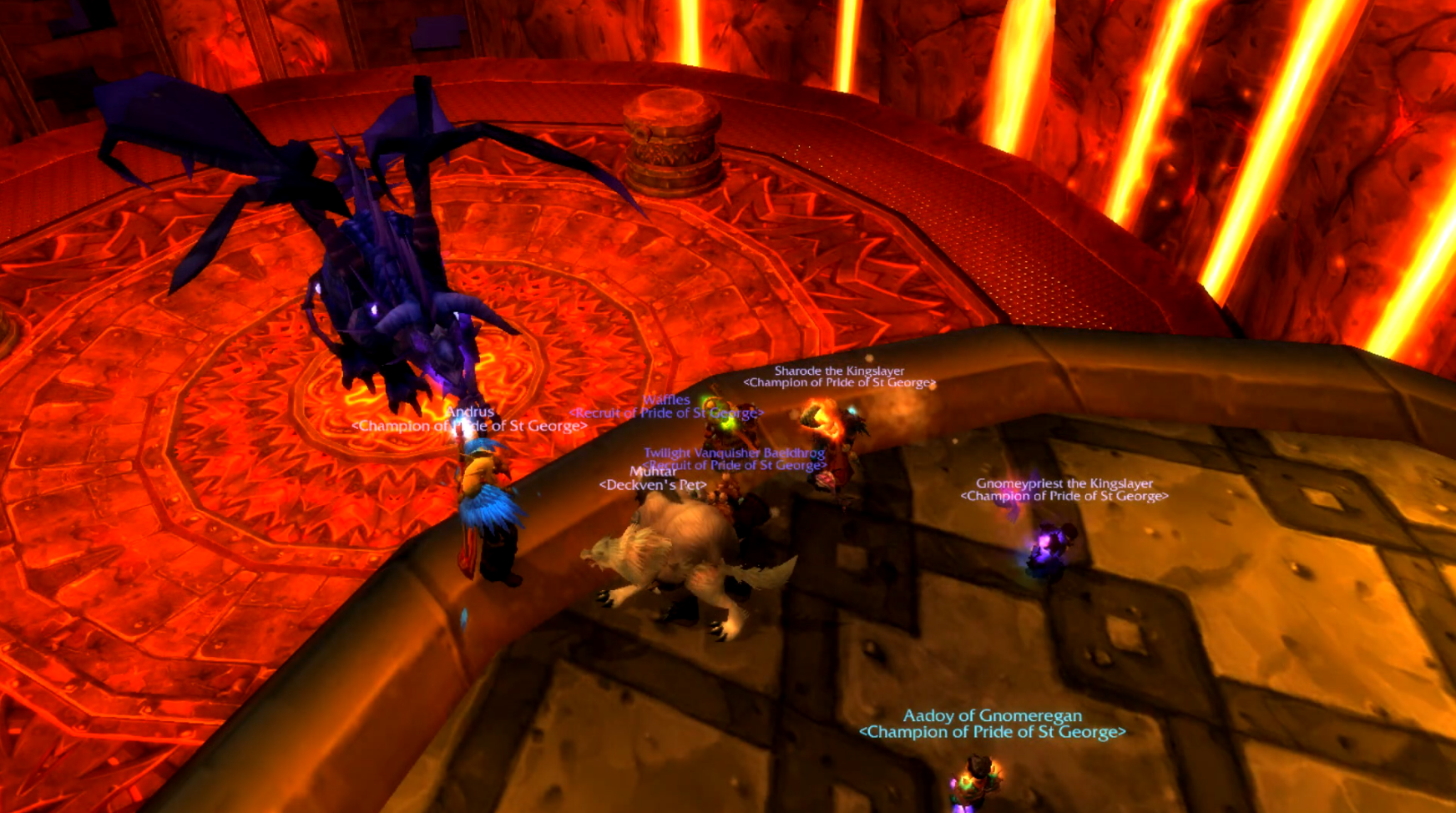
The patch announcement provoked a mixed reaction, which, given the mass exodus, was largely negative. Traditionally, content patches included full-fledged raids, but 4.1 was one of the first patches to lack them. Instead, players received five-player instances—”creatively reworked” raids from classic WoW and TBC—Zul’Gurub and Zul’Aman. True, these (originally 20- and 10-player) raids had long attracted only fans of the old-school style. This primarily concerned Zul’Gurub, where bosses dropped mounts—a raptor and a panther. Therefore, the reformatting was met with hostility, and some players actively expressed dissatisfaction even at the announcement of these changes.
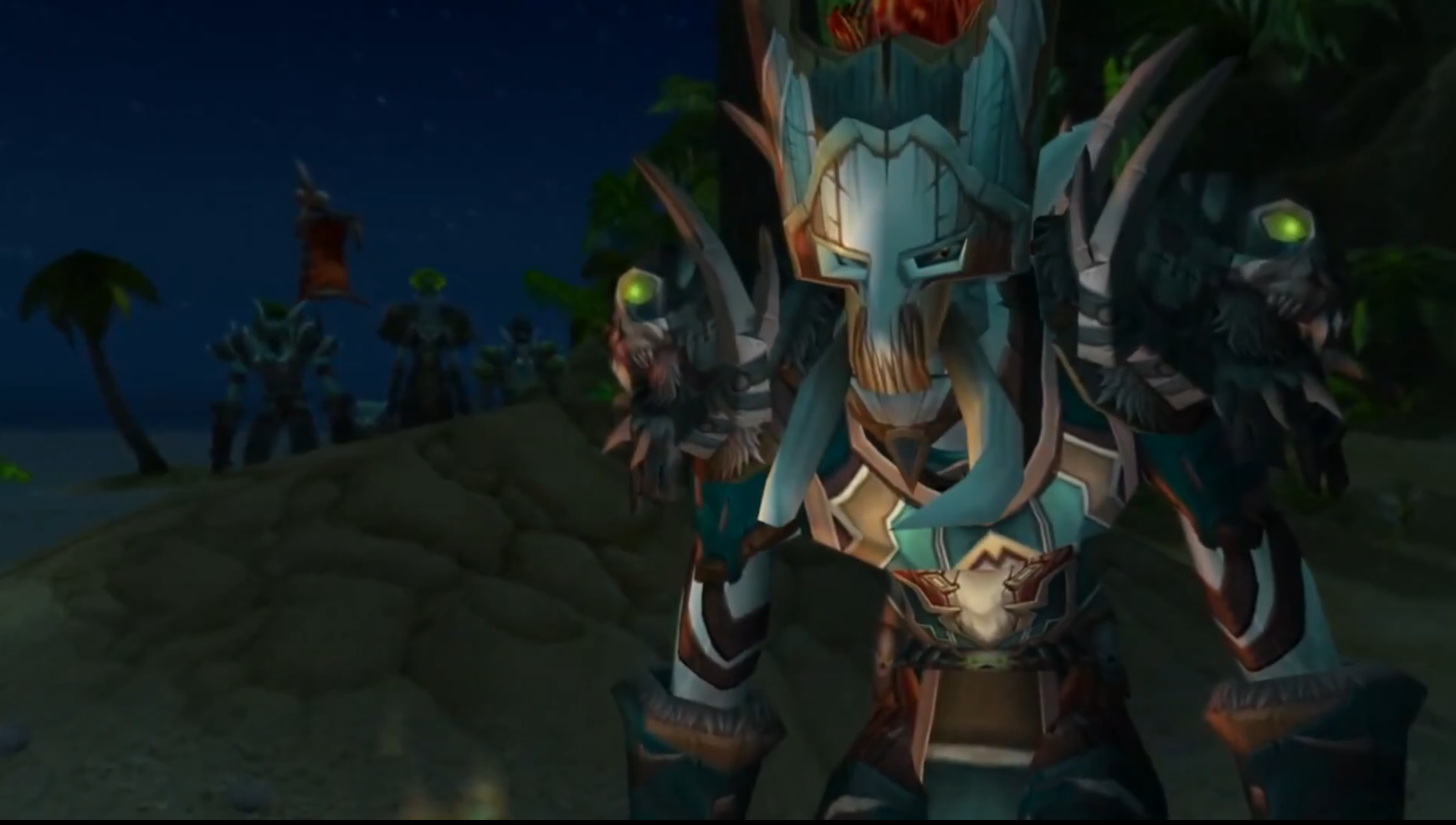
After the patch’s release, the woes about Blizzard’s laziness were joined by cries about the excessive difficulty of the new instances. Firstly, even in the scaled-down version, there were too many bosses for players to handle. In Zul’Gurub, for example, there were nine of them, and there was still a lot of trash (non-boss enemies). Over the past couple of expansions, players had become accustomed to compact instances with 3-4 bosses, but now the format of large, lengthy instances in the vein of vanilla had returned. Added to this was the difficulty of the Zuls. In the first weeks, it took a group of average players about two hours to complete. I still remember our first guild group taking three hours. Groups formed through the Finder sometimes couldn’t even complete the entire encounter, falling apart on the intermediate bosses. Jin’do, the final boss of Zul’Gurub, initially thwarted even guild groups. On the one hand, this appealed to challengers, who saw it as the right course of action. On the other hand, the silent majority continued to quit the game. Furthermore, the patch brought nothing more than Zandalari and a short quest chain. Narratively, the patch was off track. Deathwing’s return, the elemental invasion, the Twilight’s Hammer cult. It all started out so epic. People were expecting a continuation of the story, with the kidnapped Neptulon and further atrocities by Deathwing and his minions, and then the Zandalari showed up. No one was downplaying the importance of this troll tribe in Azeroth’s history, but it all felt like some kind of local conflict tacked on to the main plot simply because it was necessary to revive the old raids.
So ended the spring of 2011. In the next issue, we’ll talk about adapting to the Euro server, purchasing Poseidus, and tier 11 raids.